


International Short-term Off-campus Teaching Practicum and University Exchange Program
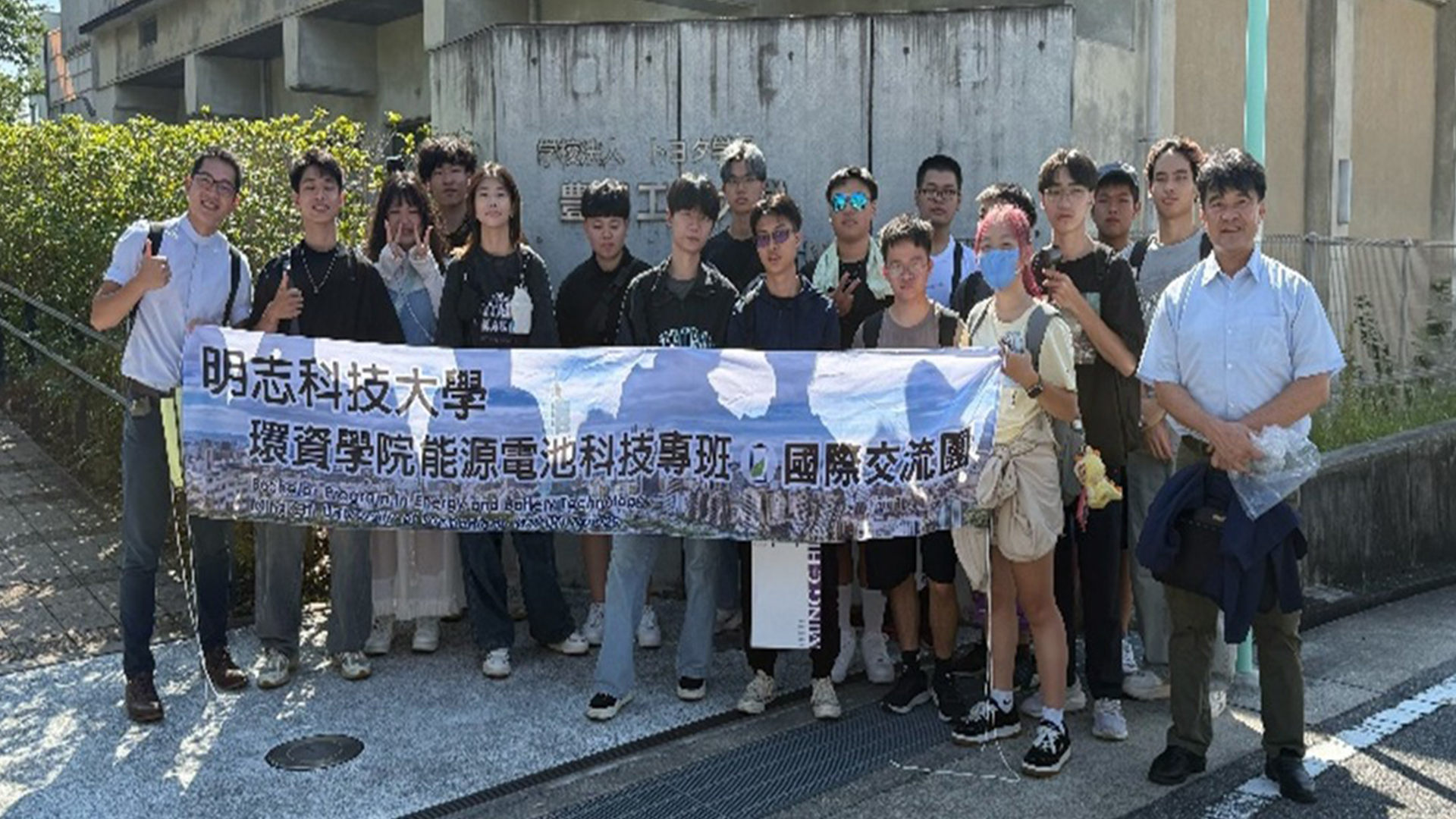
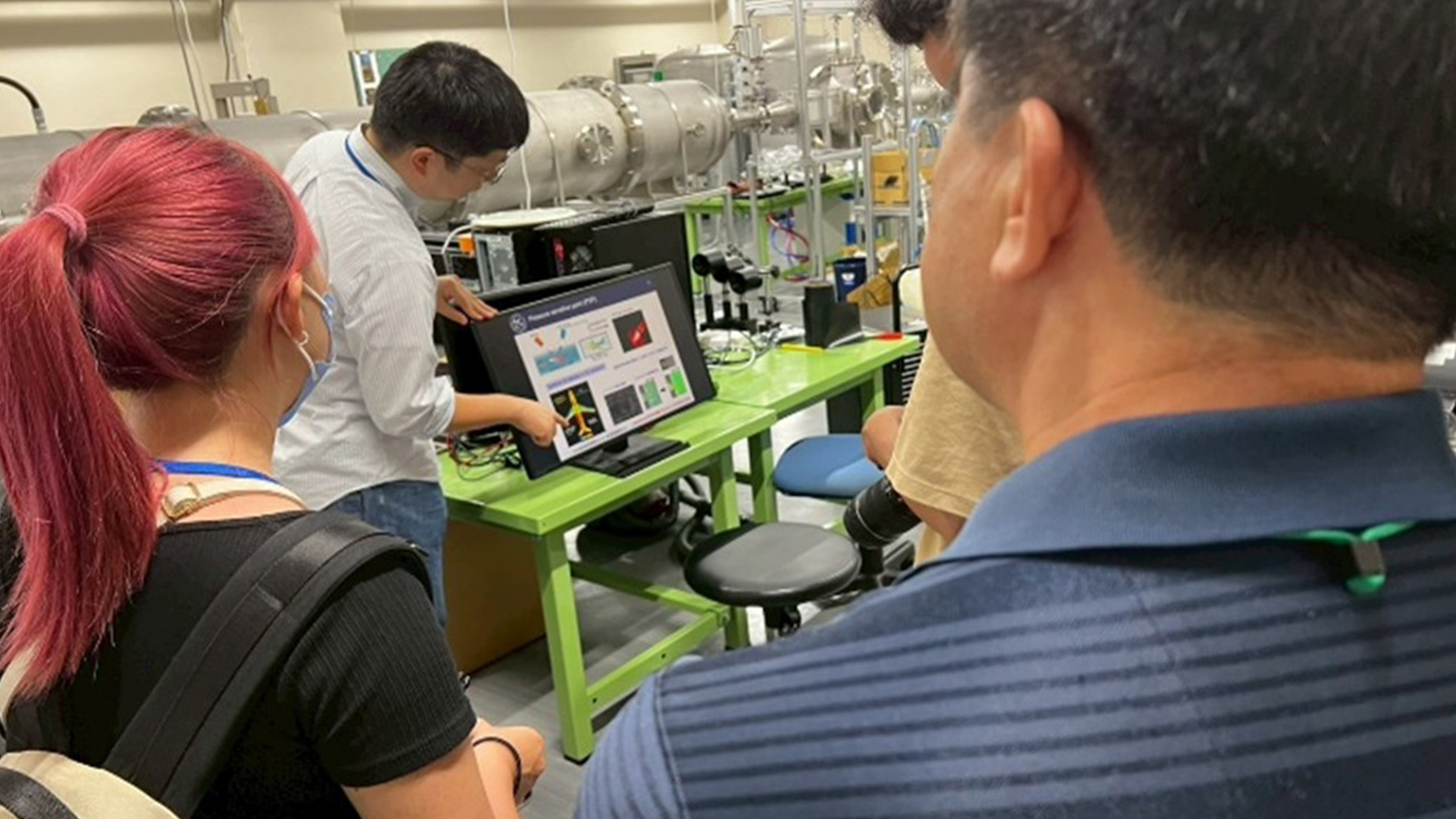
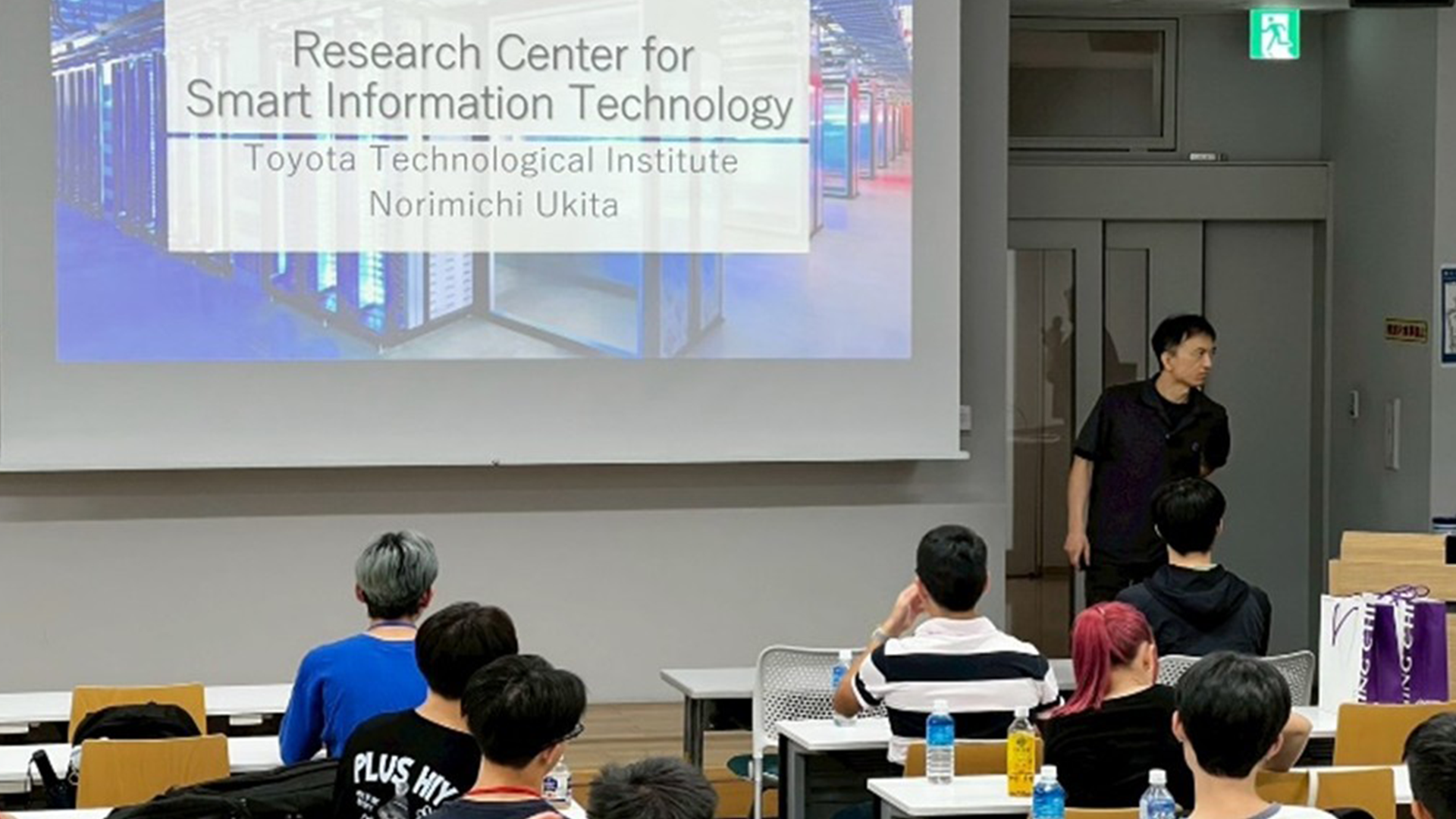
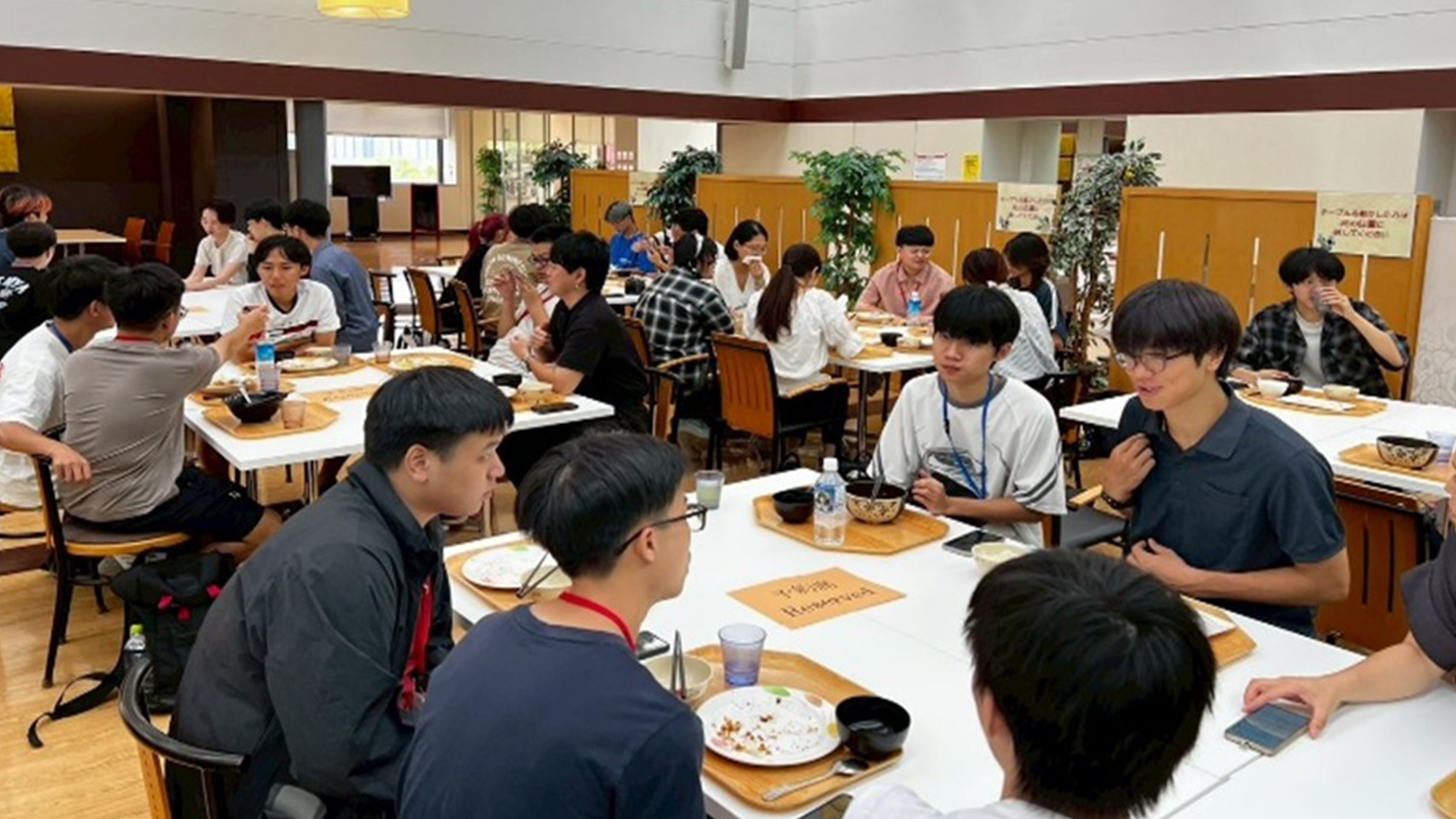
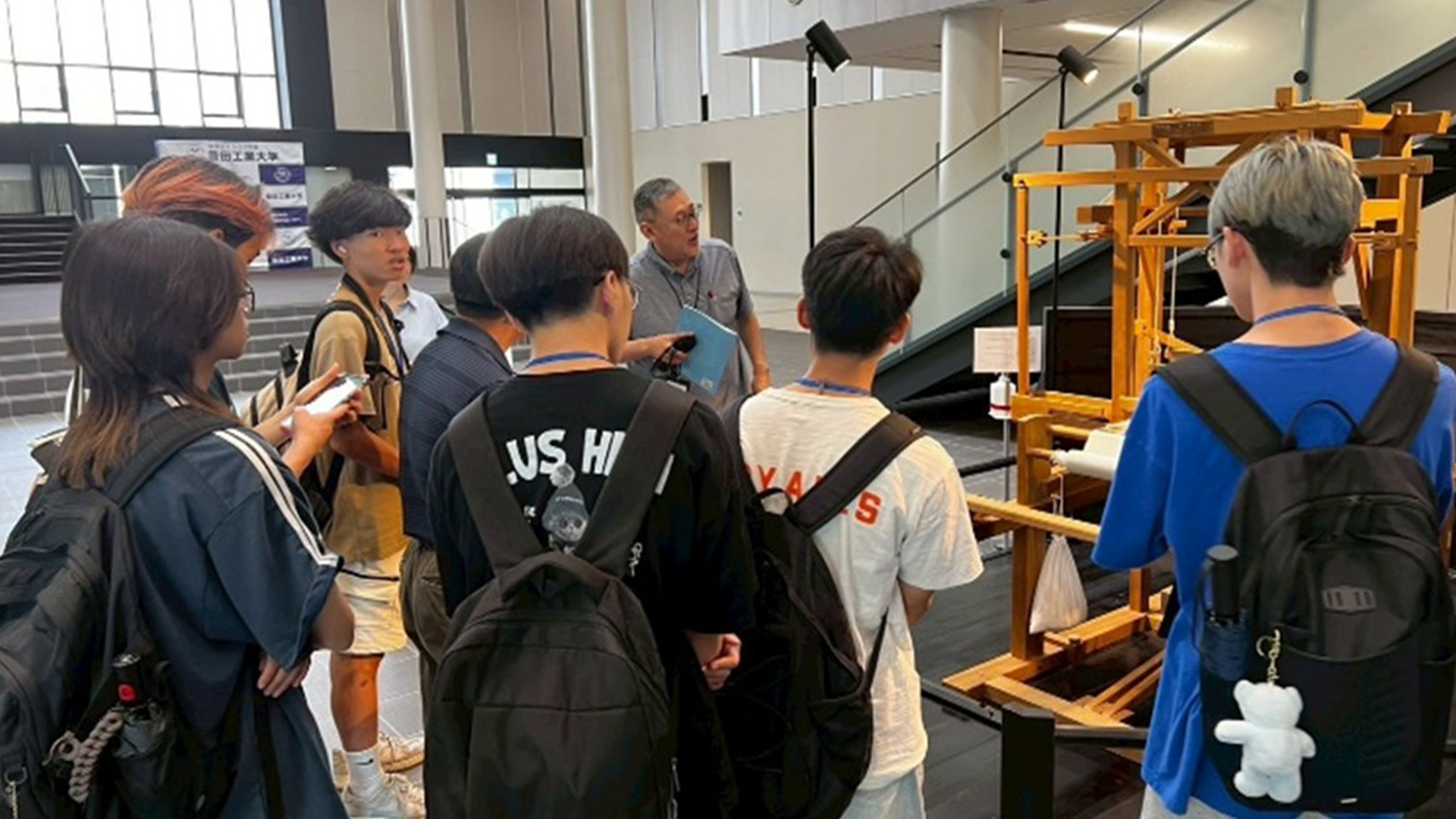
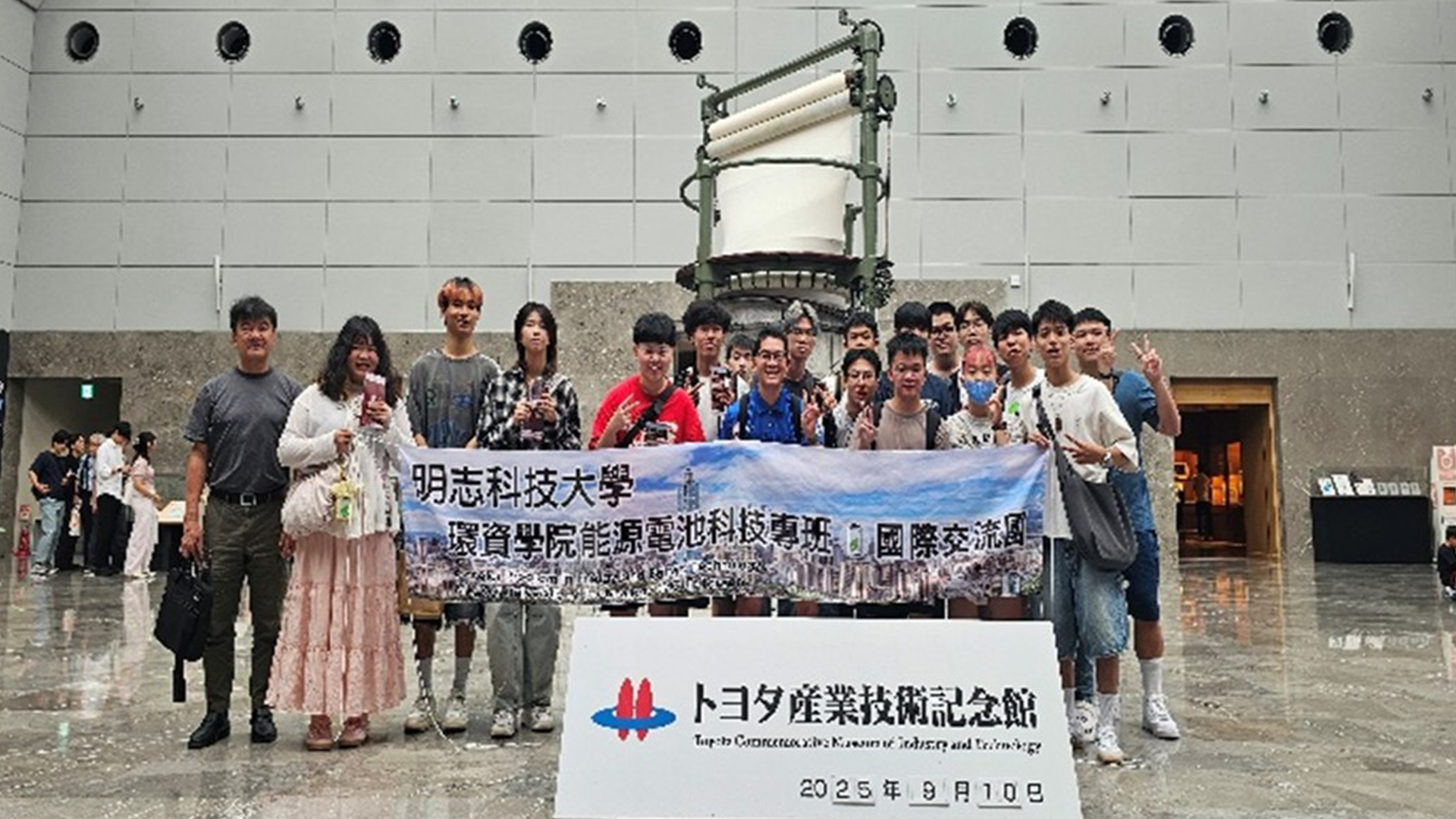
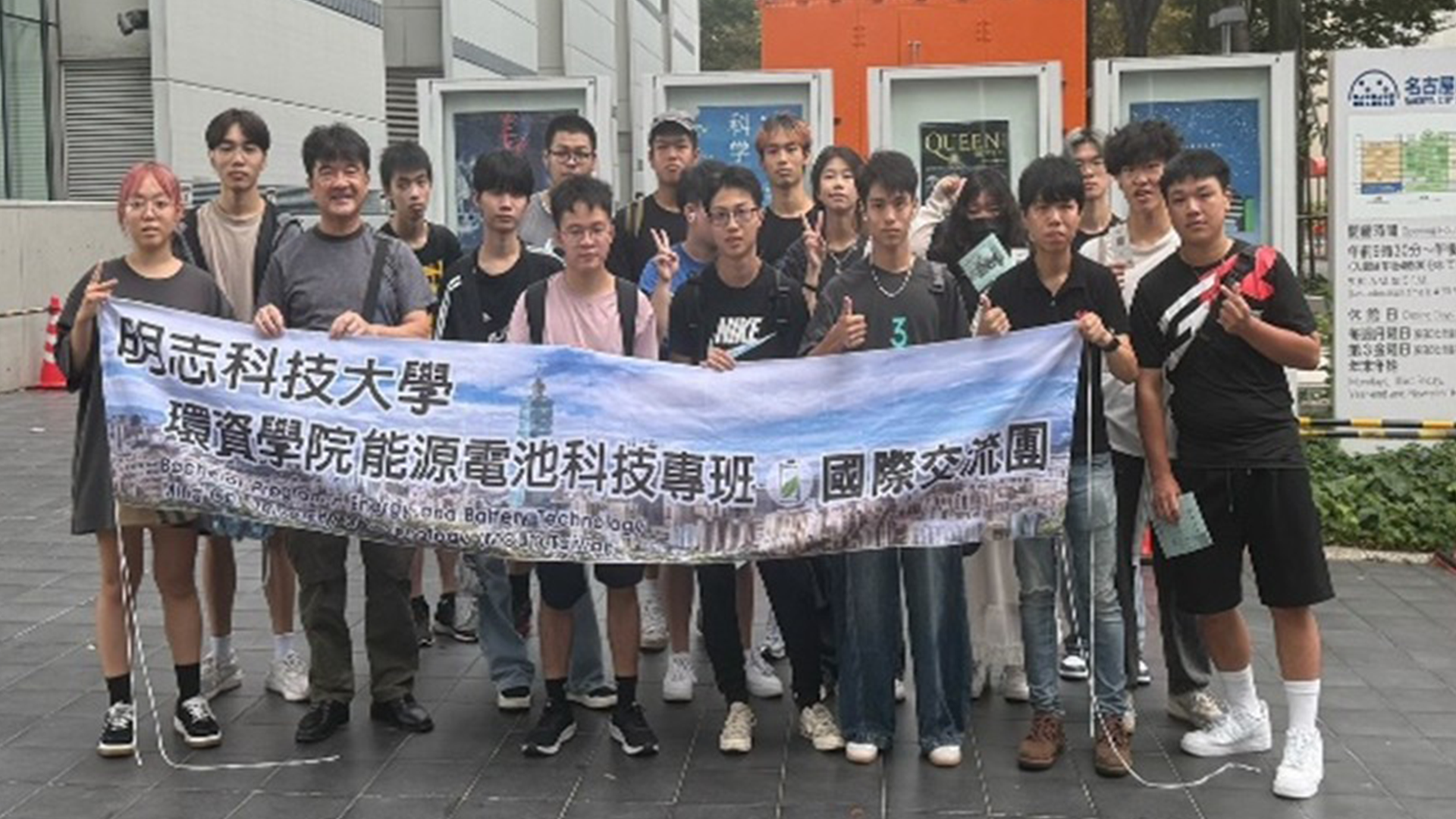
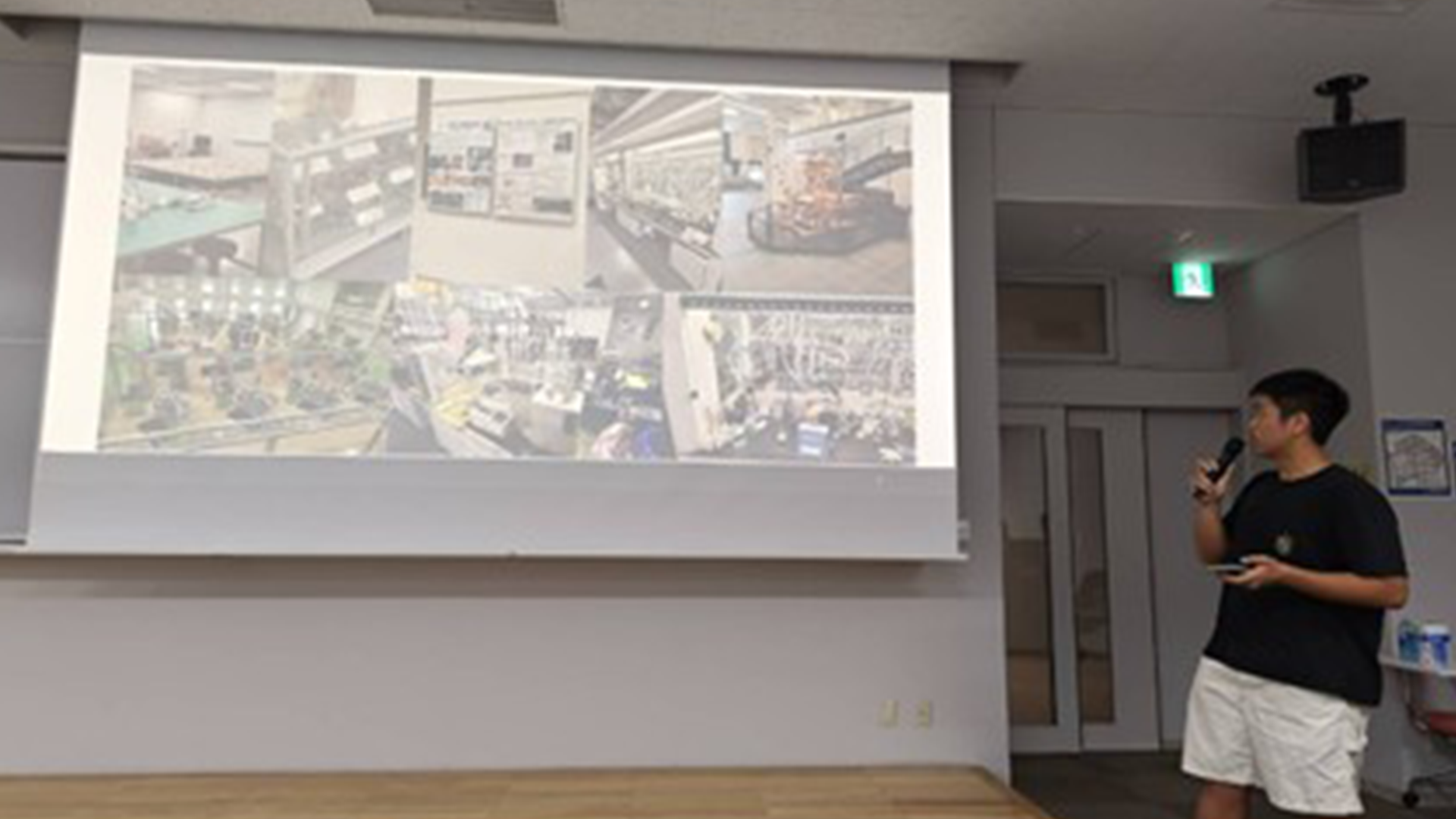
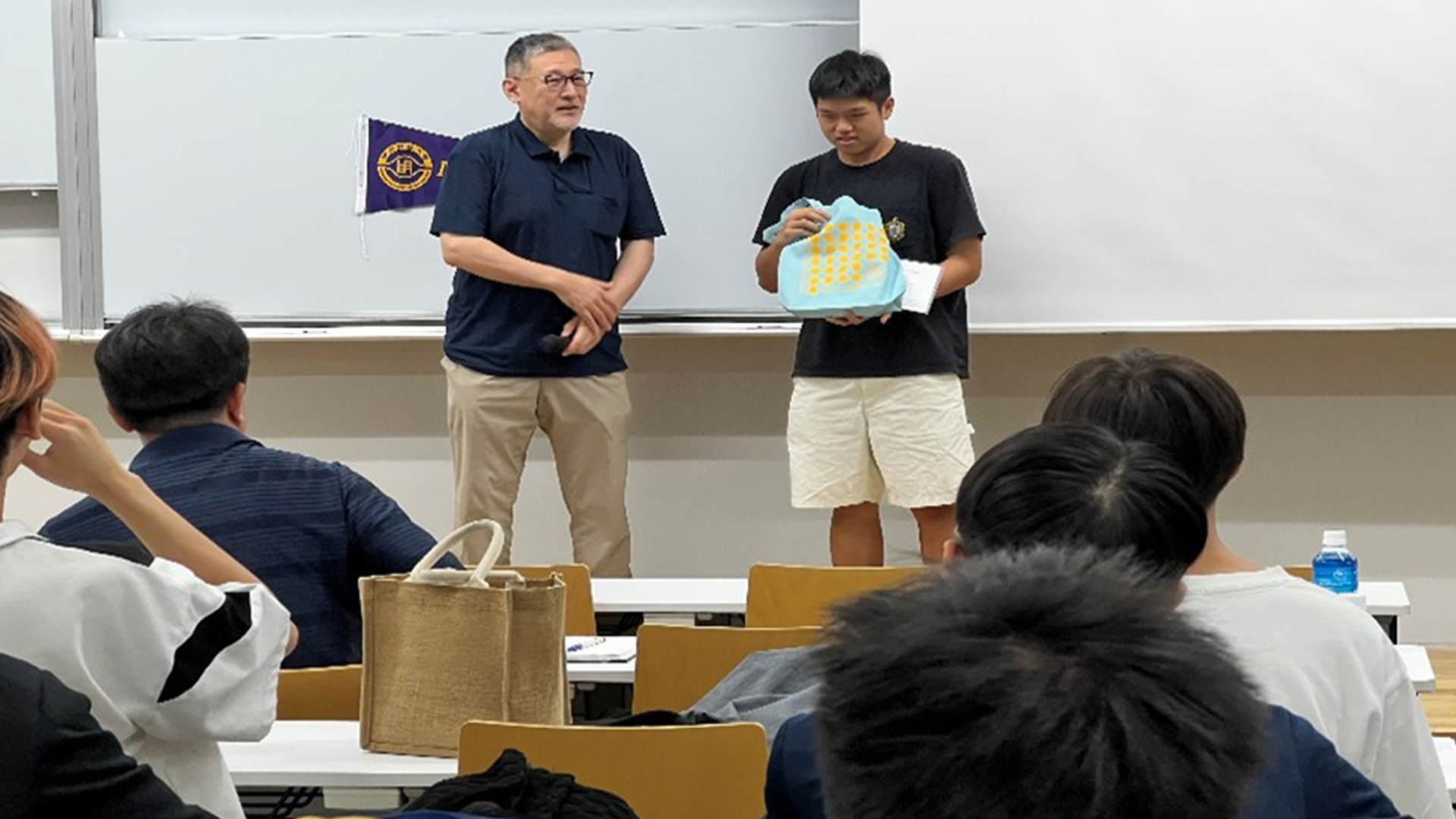
This year, the Energy and Battery Program’s study tour destination was changed from Shibaura Institute of Technology to Toyota Technological Institute (TTI), located in Nagoya, Japan.
Founded in 1981 by Toyota Motor Corporation, TTI is a private university in Nagoya, Aichi Prefecture. The university is dedicated to cultivating creative and practical engineers, with a strong focus on engineering disciplines—particularly in advanced engineering, applied information technology, and extreme materials.
TTI emphasizes small-class teaching, with each faculty member responsible for approximately 10 students on average. The university also provides an excellent learning environment and scholarship programs to help reduce students’ financial burdens.
With the support and coordination of TTI, the itinerary included visits to research centers and enterprises, along with campus tours, academic exchanges between faculty and students, and certificate presentations. This combination allowed participants to gain both theoretical knowledge and practical experience, while also earning a certificate of completion that enhances their academic and professional credentials.
The short-term practical program planned for this visit includes hands-on courses in Materials Science (Department of Materials Science), Applied Chemistry Experiments (Department of Chemical Engineering), and Green Energy (Department of Environmental Safety and Health), as well as corporate visits.
Through this opportunity, we hope our students will gain a deeper understanding of engineering practices in Japan and interdisciplinary learning, while also broadening their international perspective. The program encourages students to appreciate and respect cultural diversity, fostering a global mindset.
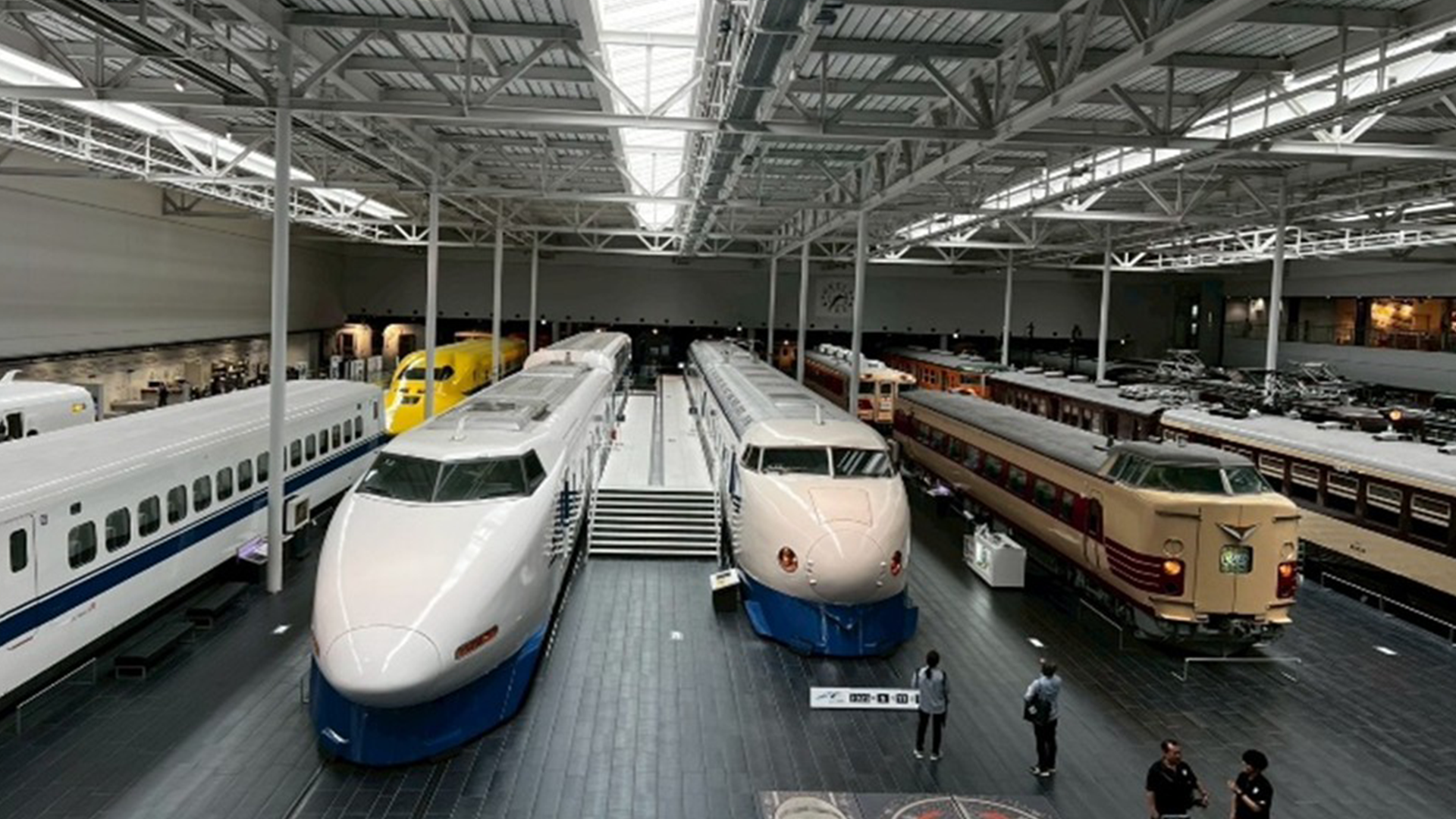
The itinerary arranged by Toyota Technological Institute (TTI) includes a campus tour, laboratory visits, research center tours, student exchange workshops, as well as visits to the Toyota Commemorative Museum of Industry and Technology, the SCMAGLEV and Railway Park, and the Nagoya City Science Museum. Additionally, this exchange aims to explore the possibility of signing an MOU between the two universities and to discuss potential collaborations in research and academic programs.
At TTI, all first-year courses are interdisciplinary core requirements, covering areas such as casting, metallurgy, and certification-oriented courses, as well as practical programming and artificial intelligence training. Laboratory courses are also an integral part of the curriculum. After completing these foundational theoretical and practical courses, students may choose their major in the second semester of their sophomore year based on their individual interests. This system is somewhat similar to the “undecided major” model used by many universities in Taiwan; however, at TTI, it is implemented as a university-wide system and is further enhanced by certification-linked courses.
To support the university’s hands-on learning approach, TTI has significantly expanded its hardware facilities, including multiple machine-processing workshops, 3D printers, and intelligent machinery programming control rooms, providing students with a well-equipped environment to explore and apply new knowledge.
TTI has also made significant investments in its dormitory facilities. Each student is provided with a single room, and every four rooms share a common lounge, where students can play board games, hold discussions, or even cook using an induction stove. This setup allows both students and parents to truly see how the university’s resources are dedicated to enhancing student life. These strengths and distinctive features are well worth learning from and emulating at Ming Chi University of Technology (MCUT).
中文:國際短期移地教學見習大學交流參訪
This article will be simultaneously published in the SDGs E-paper.
