


MCUT × Miyagi University Advance Cross-Border USR and Social Design Collaboration


From August 31 to September 5, 2026, Ming Chi University of Technology (MCUT) carried out its USR Place-Based Project in collaboration with Miyagi University. Led by Associate Professor Wan-Ying Lai and Associate Professor Emu Masuyama, the program connected students from Taiwan and Japan through an international workshop, field research on Katsurashima Island, and a university-level exchange meeting.
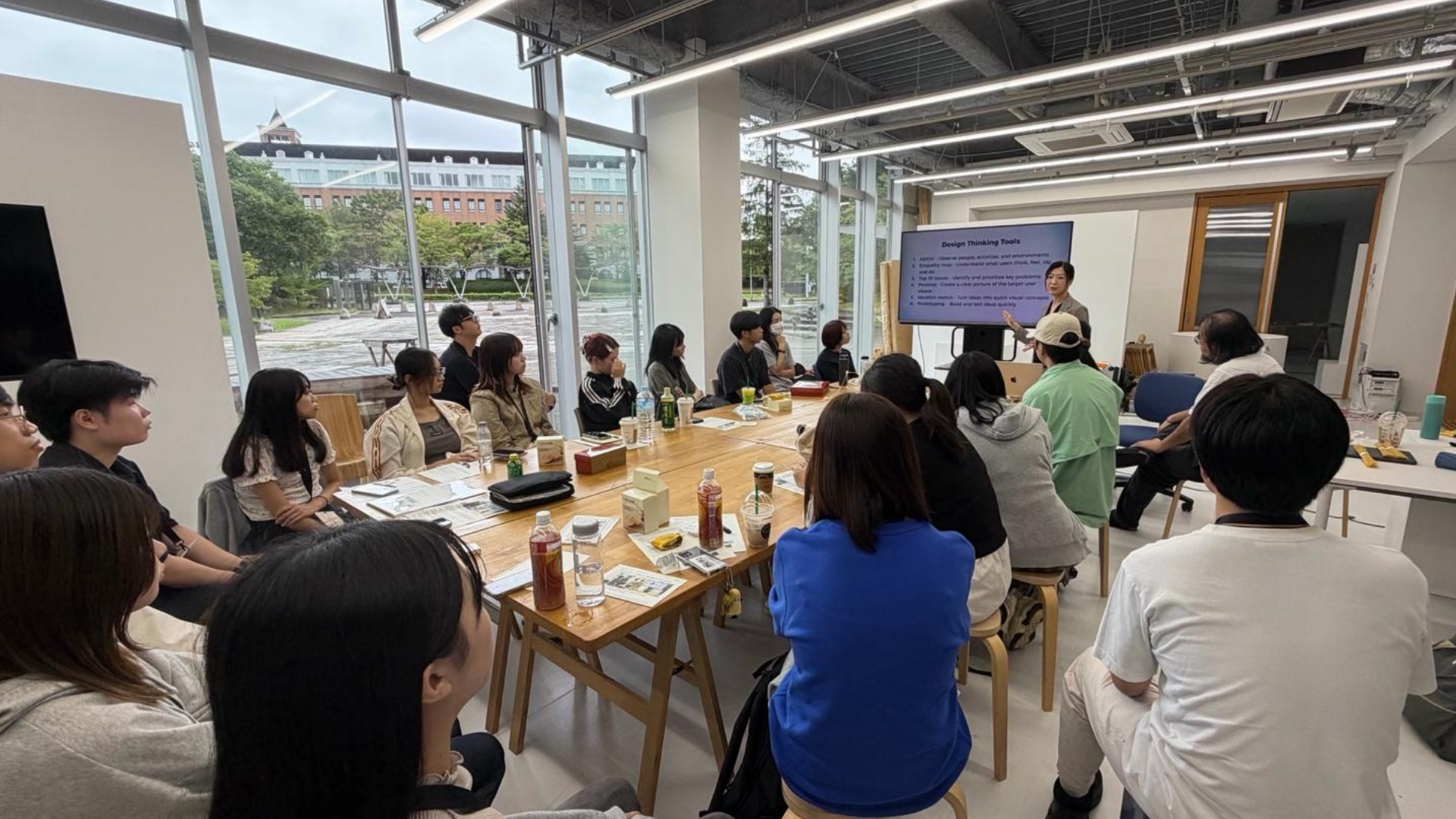
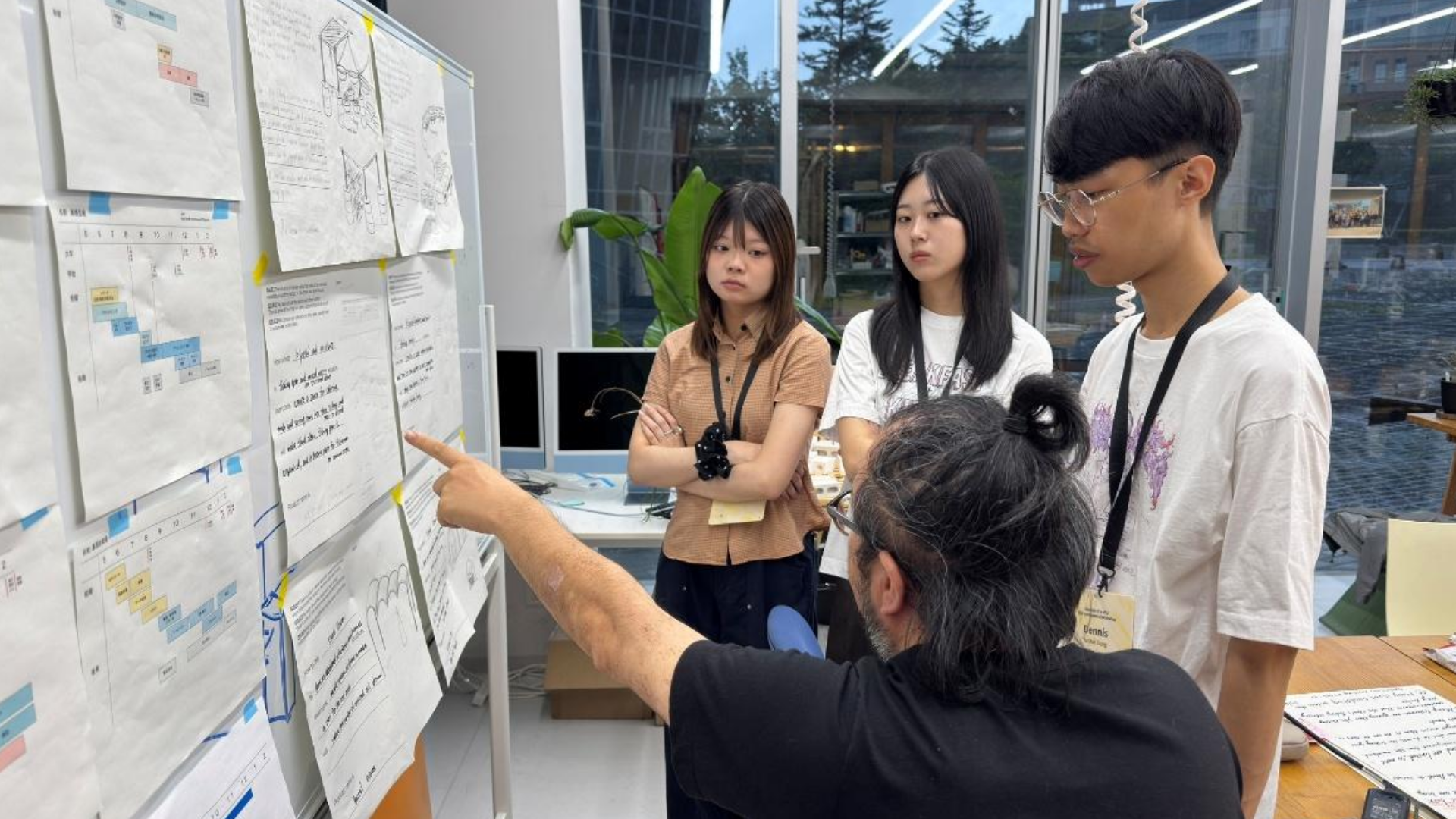
The international workshop, titled “Design for Resilience – From Marine Waste to Meaningful Impact,” brought together students and faculty from MCUT and Miyagi University. The program began with Circular Design, Design Thinking, and cross-cultural team building. Students from Taiwan and Japan worked in mixed teams to analyze field data, define design challenges, generate concepts, conduct iterative reviews, and develop prototypes.
Through intensive discussion and repeated design iterations, each team transformed issues related to marine waste, island life, and local needs into tangible design proposals. Students also applied a Circular Flow perspective, considering the relationships among material sourcing, use, reuse, recovery, and long-term circulation.
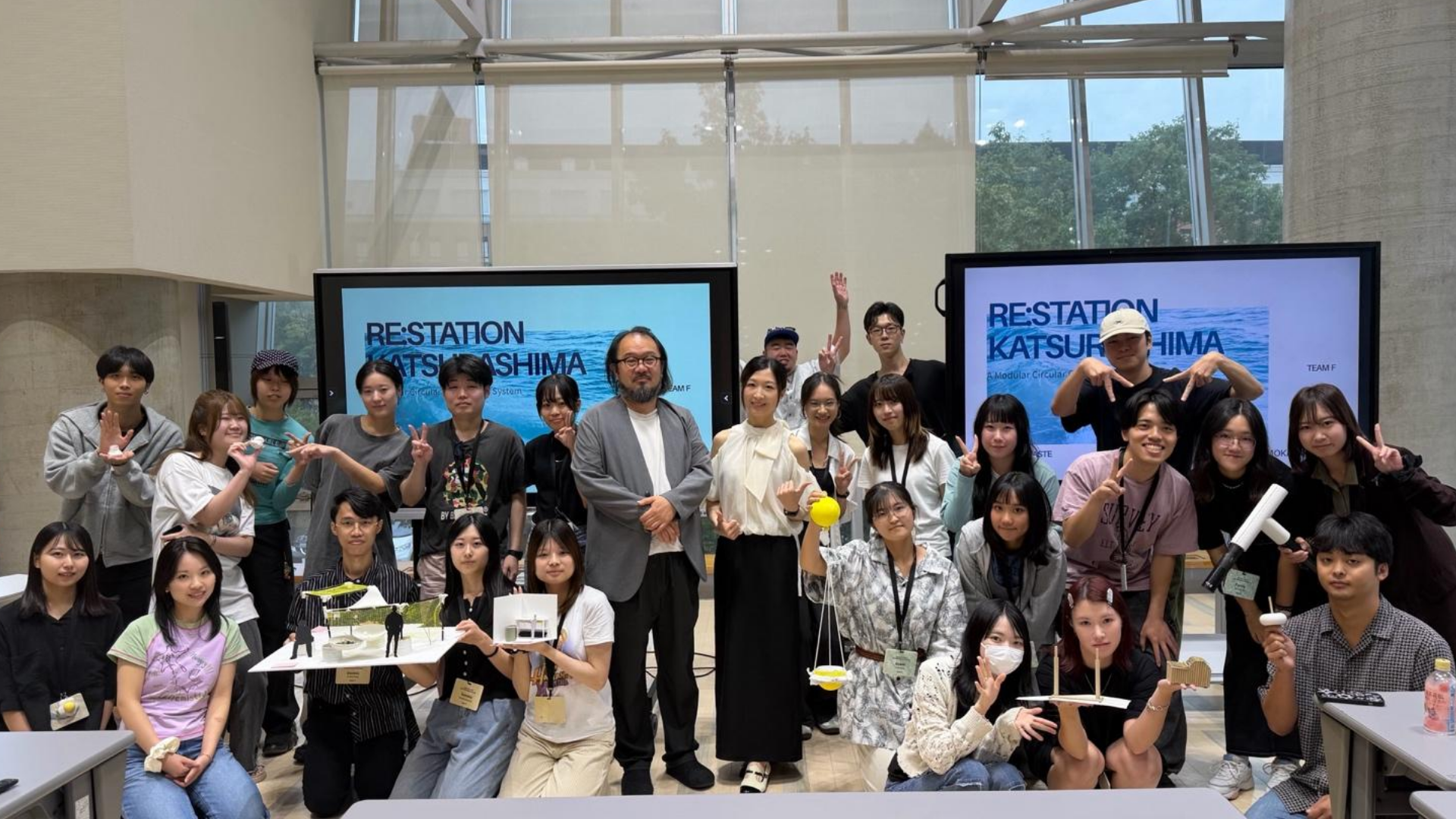
The workshop concluded with final presentations in English, providing students with valuable opportunities to strengthen their skills in international communication, cross-cultural teamwork, design research, and sustainable innovation.
A key component of the program was field research on Katsurashima Island in Miyagi Prefecture, where students explored the relationship between environmental challenges, community life, and local development.
Through direct observation, interviews with local residents, coastal surveys, and beach-cleaning activities, students examined marine waste alongside broader issues such as island life, demographic change, community networks, and local industries.
The field study also built upon Miyagi University’s ongoing local engagement. Graduate students conducting research on Katsurashima introduced the island context and facilitated local interactions. Insights collected in the field became an important foundation for subsequent design development. Rather than treating marine waste merely as a recyclable material, students considered how design might respond to community needs, local identity, and long-term resilience.
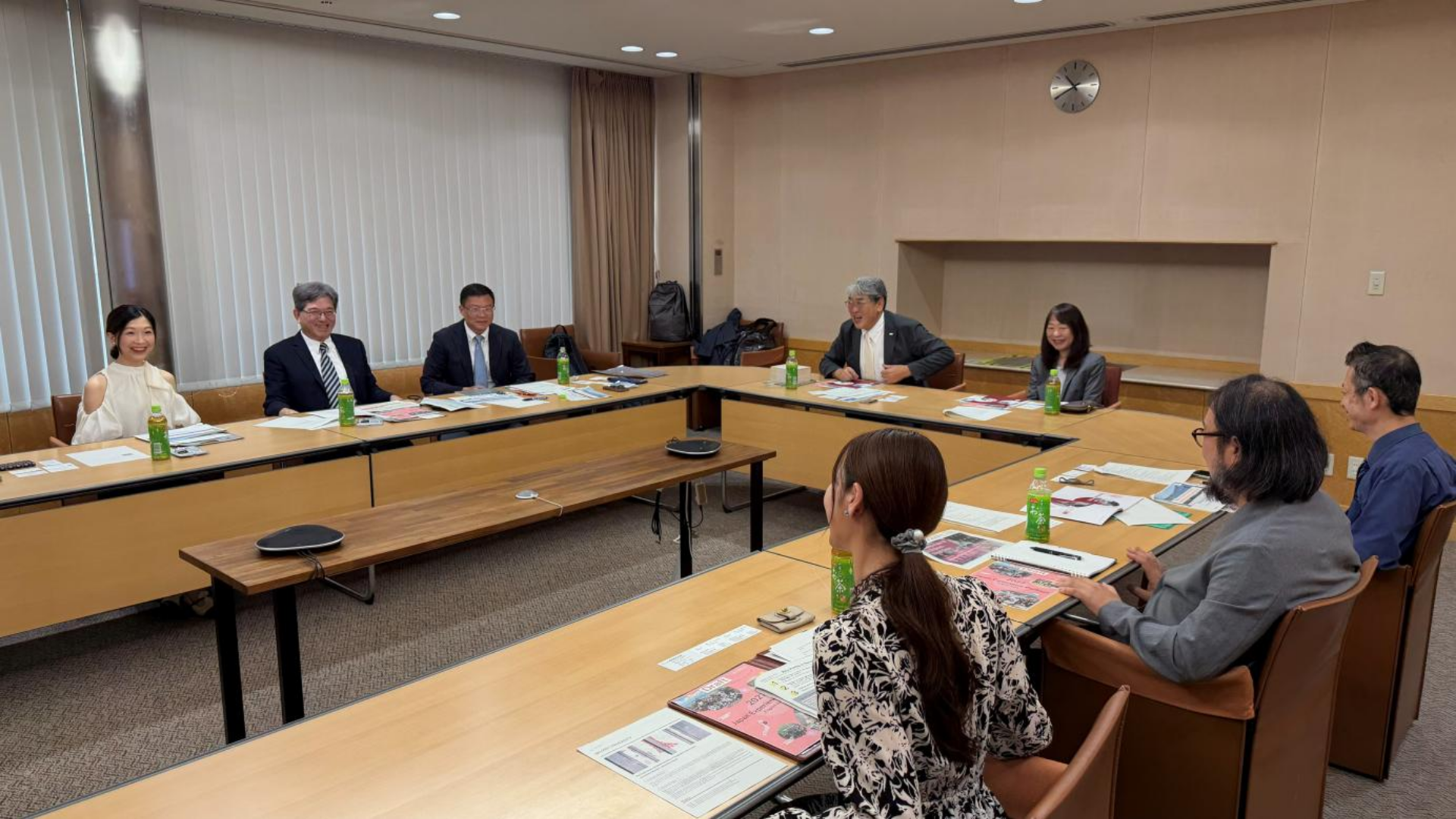
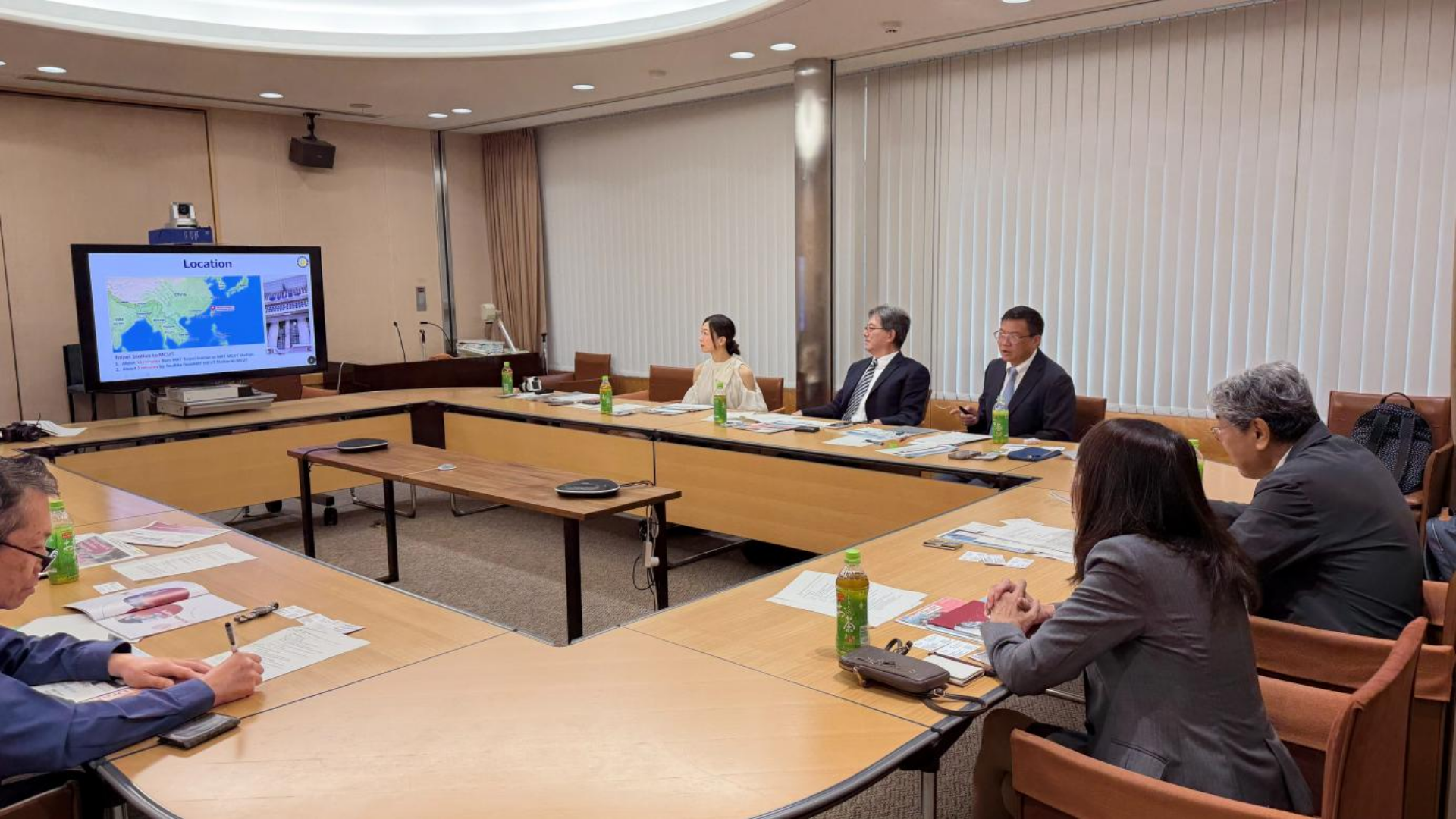
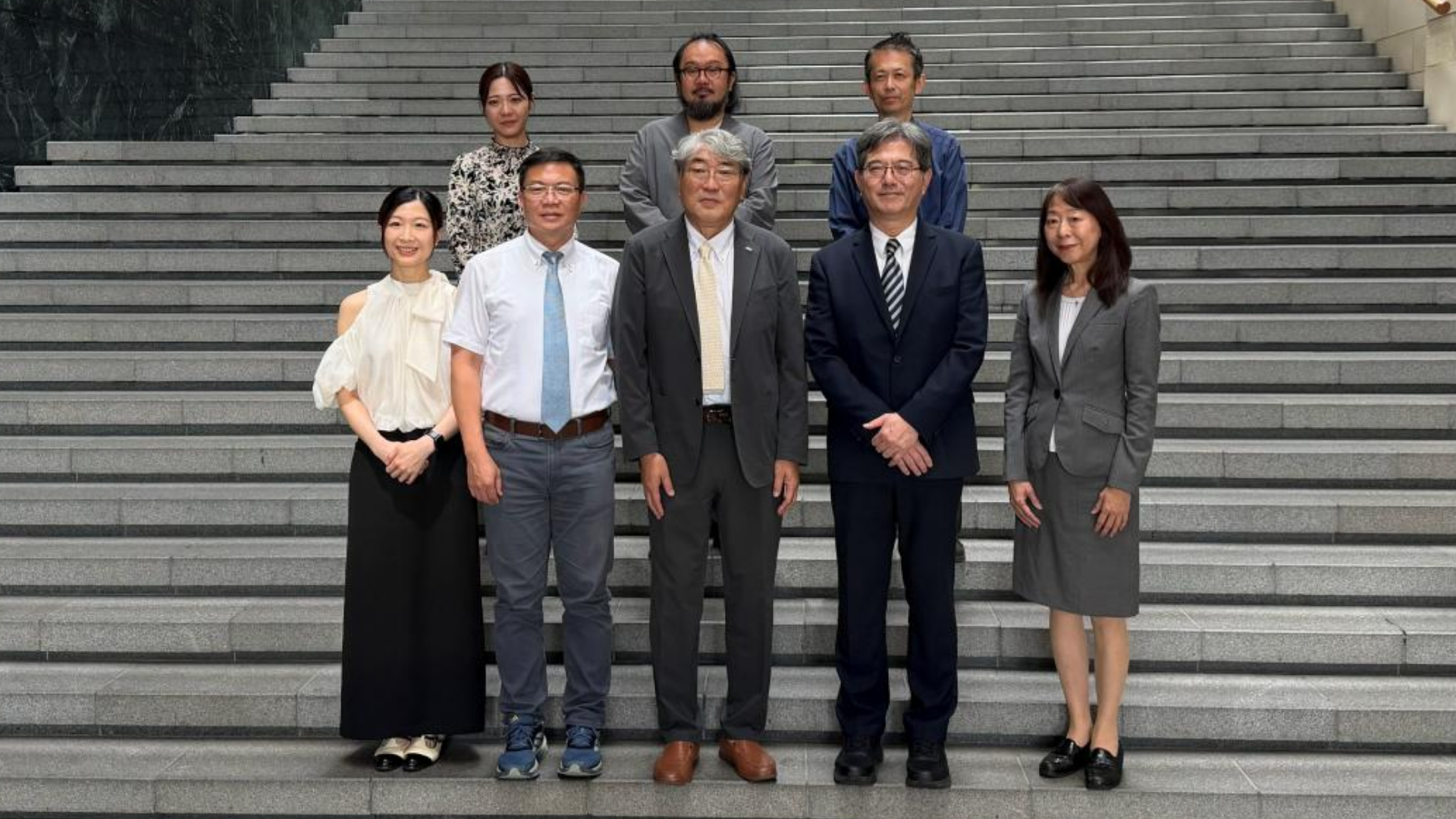
In addition to the student workshop, the visit marked an important step in strengthening the institutional relationship between MCUT and Miyagi University. On September 4, senior representatives from MCUT, led by the Vice President and Provost, met with the President, Vice President, international affairs representatives, and faculty members of Miyagi University for an official university-level exchange meeting.
Both universities introduced their institutional strengths, internationalization strategies, and previous collaborative achievements. Discussions covered a university-wide Memorandum of Understanding (MoU), short- and long-term student mobility, faculty exchange, joint research, and future international workshops.
The partnership has developed through years of academic and educational exchange, particularly through the continued collaboration between Associate Professor Wan-Ying Lai of MCUT’s Department of Industrial Design and Associate Professor Emu Masuyama of Miyagi University. Their joint efforts in teaching, research, and University Social Responsibility have helped expand cooperation from individual workshops and projects toward broader university-level engagement. Moving forward, the two universities aim to build a sustainable platform for international education, academic exchange, and collaborative practice in sustainable design, local revitalization, and social innovation.
Image (No. 1) Description: Students from Taiwan and Japan begin the international workshop at Miyagi University through activities in Circular Design and Design Thinking.
Image (No. 2) Description: Cross-cultural teams develop concepts through issue analysis, sketching, discussion, and iterative design reviews.
Image (No. 3) Description: Students present their final proposals in English, sharing both research processes and design outcomes.
Image (No. 4) Description: Students conduct field research on Katsurashima Island, observing the coastal environment and marine waste conditions.
Image (No. 5) Description: Interviews and exchanges with local residents help students understand island life, local culture, and community needs.
Image (No. 6) Description: Beach-cleaning activities connect environmental action with field-based design research.
Image (No. 7) Description: MCUT and Miyagi University hold an official exchange meeting to discuss the MoU and future areas of collaboration.
Image (No. 8) Description: Senior representatives and faculty members discuss student mobility, faculty exchange, joint research, and future workshops.
Image (No. 9) Description: The partnership continues to expand toward a long-term platform for international USR and talent development.
