


Emotional Resilience—Finding Balance in Academics and Life
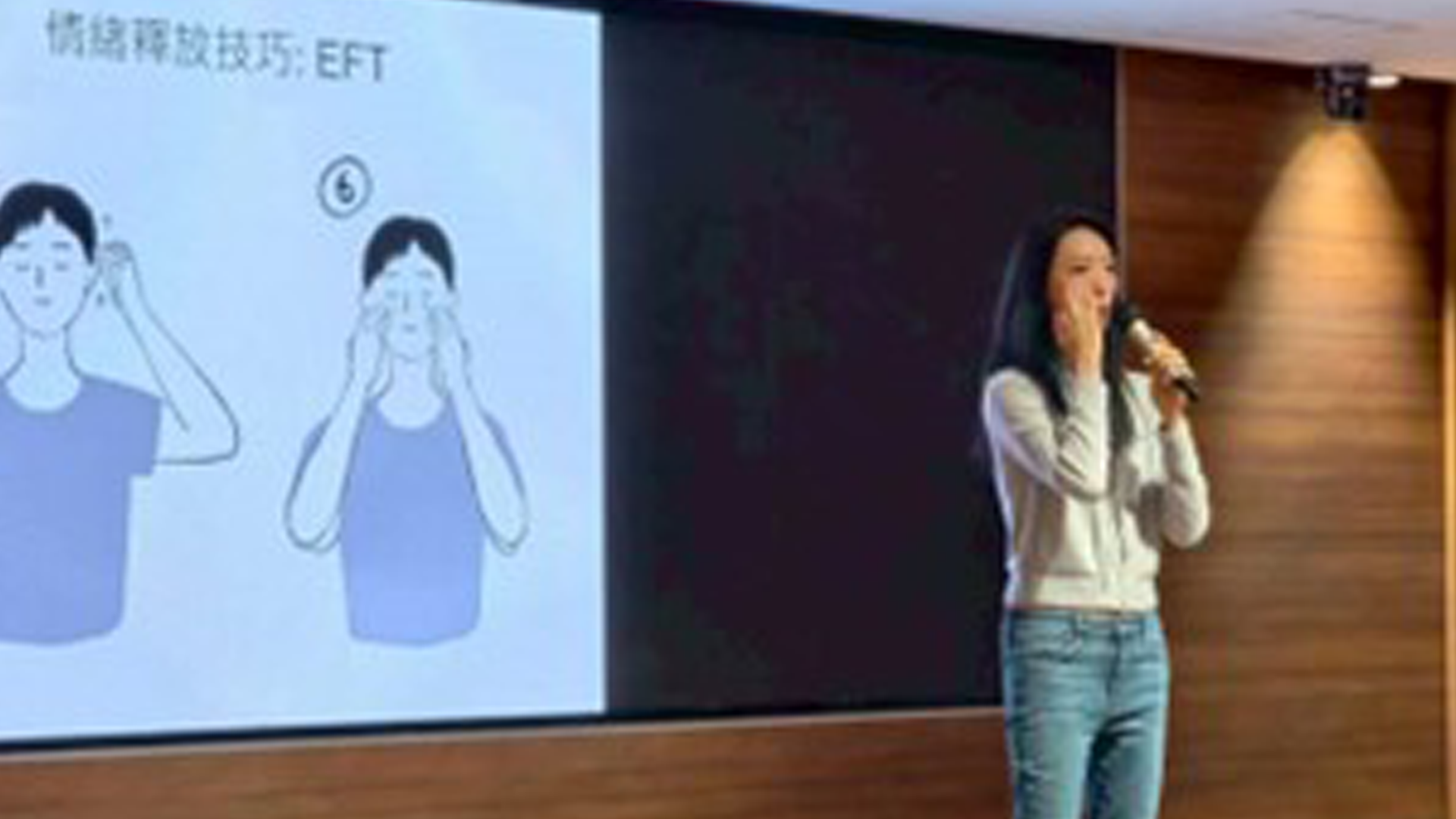
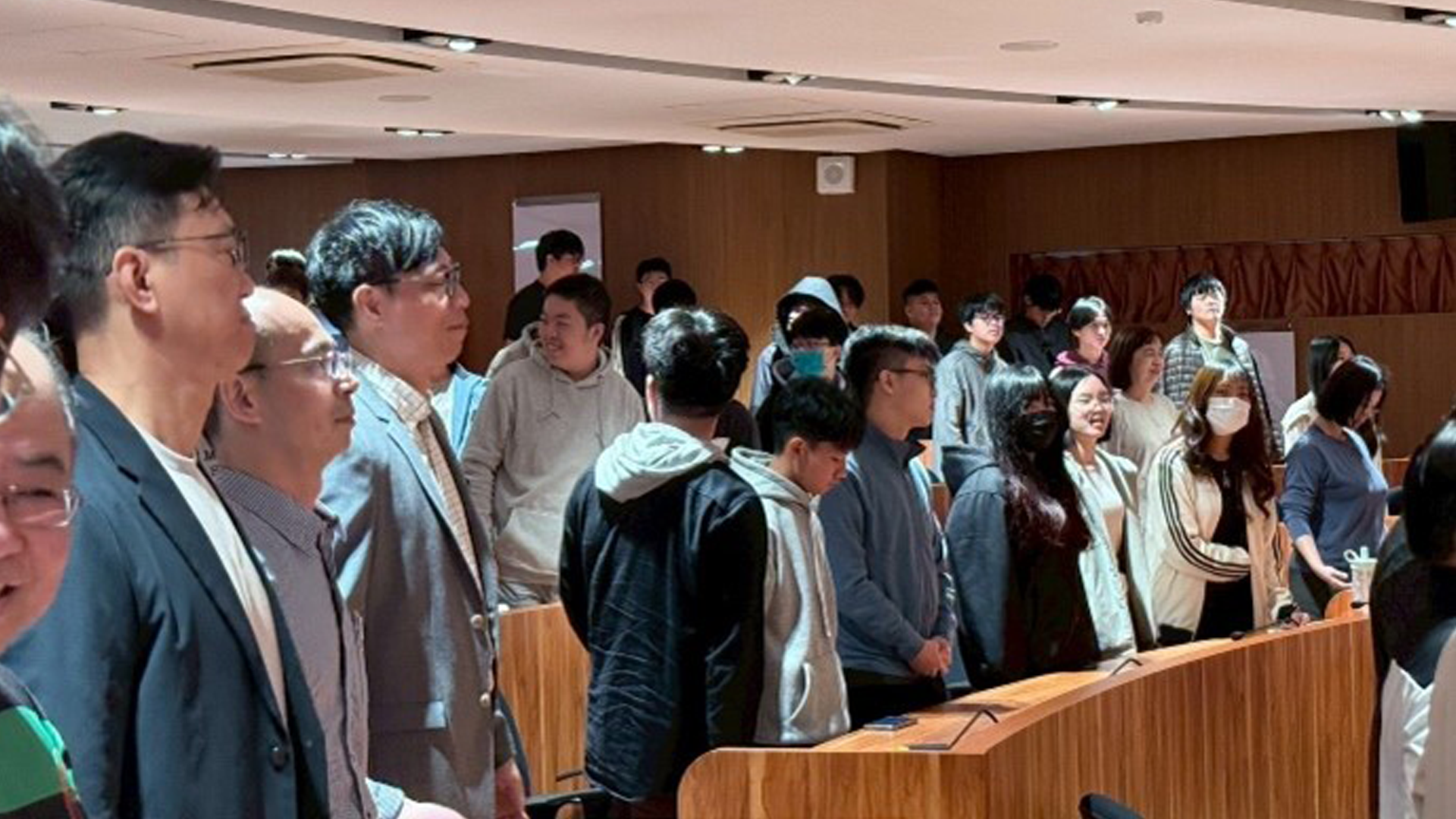
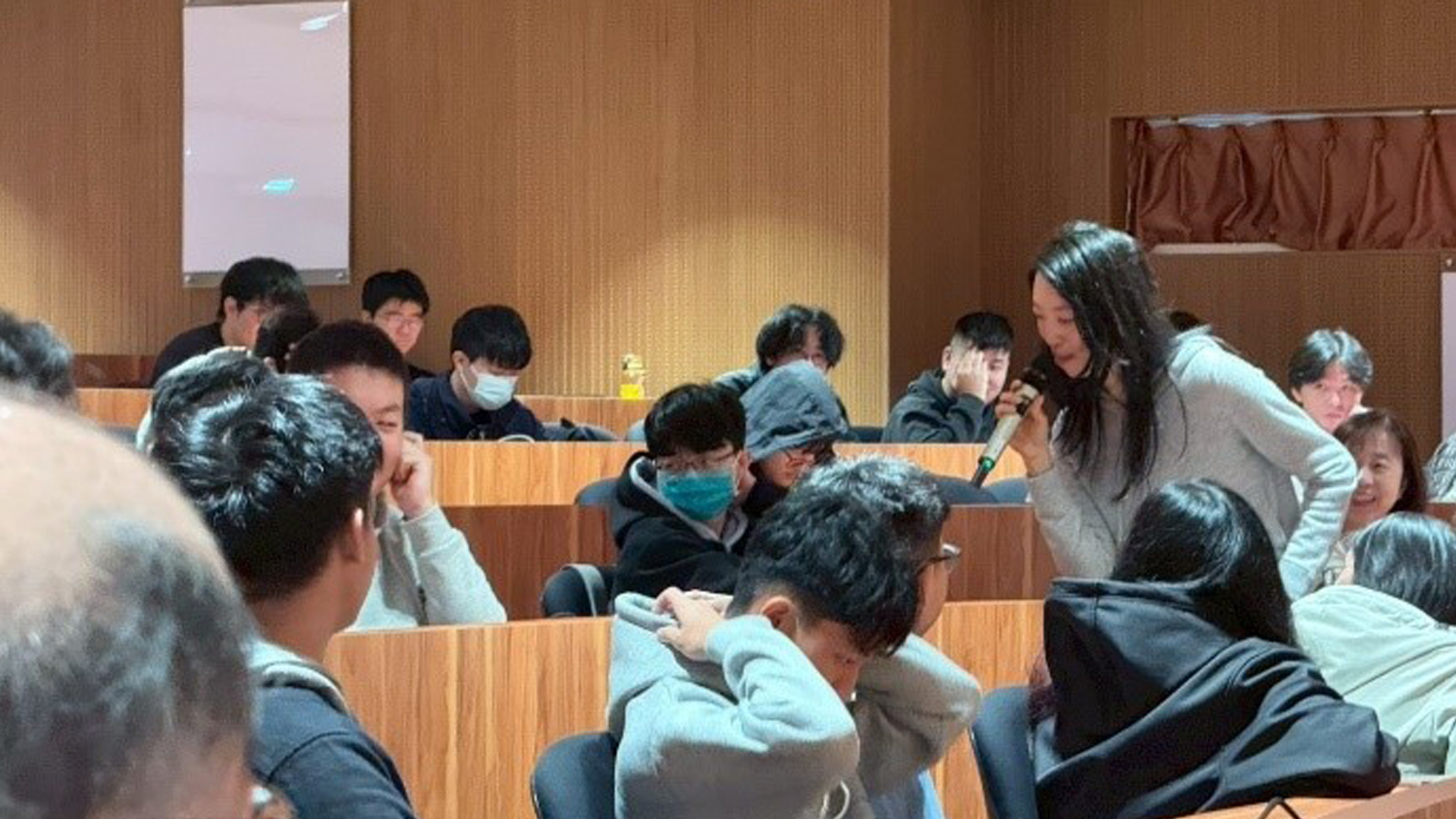
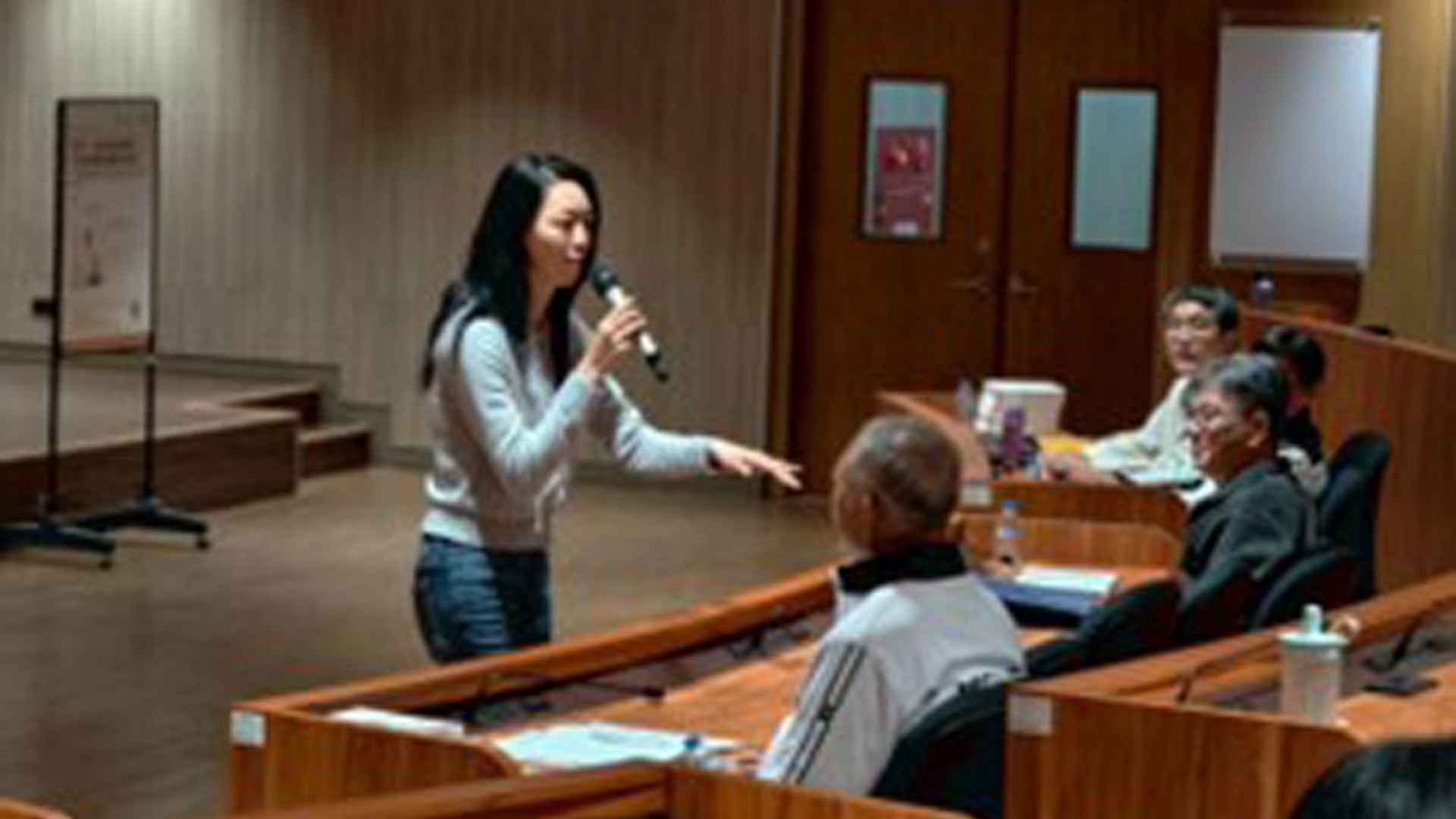
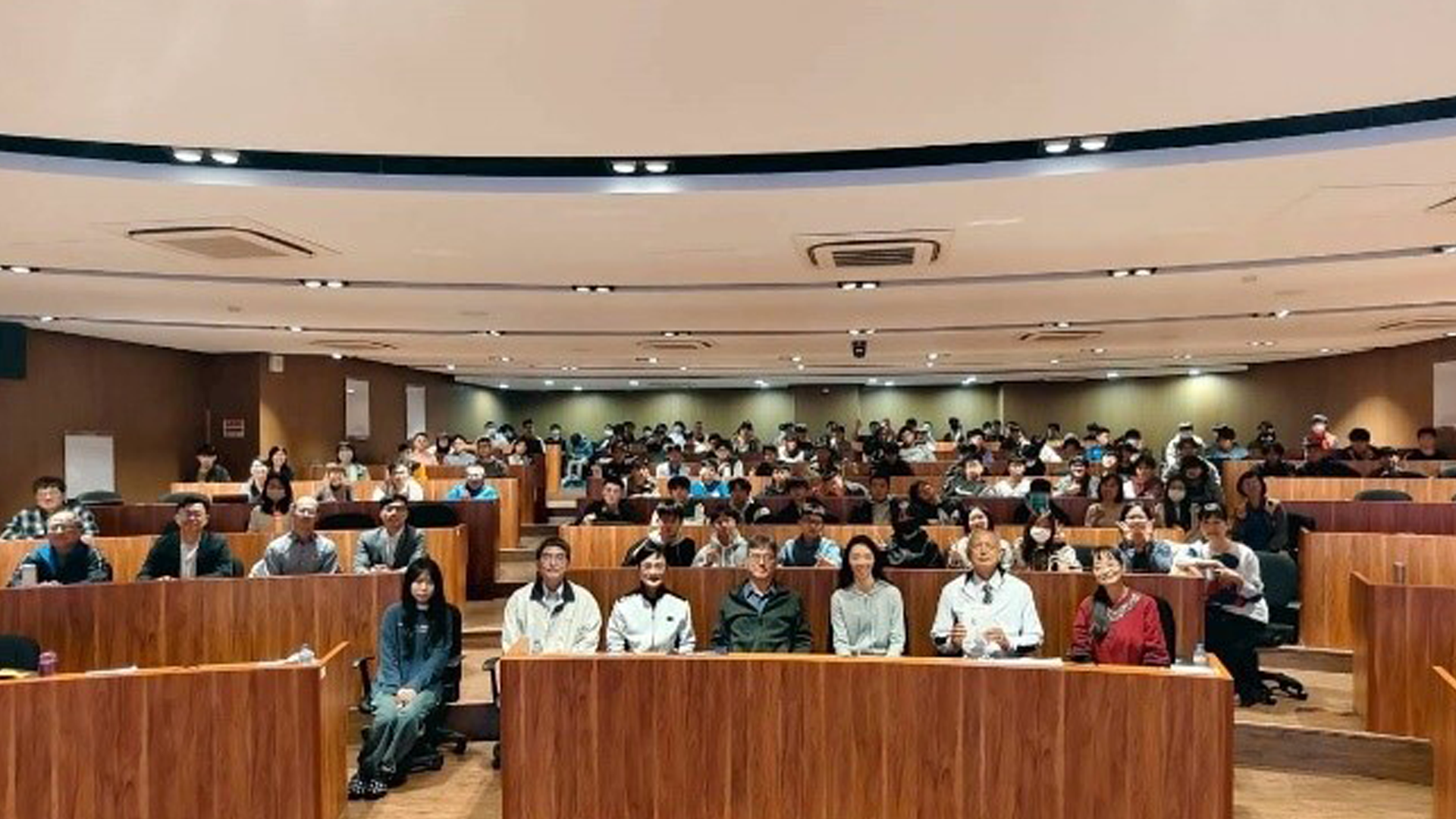
We invited Professor Yang Yuan-Ning to our university to deliver a special lecture, in collaboration with the Chinese literature courses taught by Professor Lin Li-Ren and Professor Chang Shu-Fen. Students from these classes were invited to participate, and faculty members across campus who were interested were also welcome to join.
At the beginning of the lecture, the speaker explained the sources of stress, noting that stress and emotions are often closely tied to one’s self-concept. When individuals frequently feel that they are “not good enough” or “imperfect,” emotions tend to accumulate and persist in daily life. After analyzing the relationship between emotions and stress, the speaker drew on Eastern theories of acupressure points and qigong to explain how emotions can be soothed and processed. For example, by working with acupressure points on the scalp, philtrum, and jaw, the speaker guided participants through hands-on massage practices, enabling them to directly notice and regulate their own emotions.
In addition, the speaker led participants in experiential activities such as arm-swinging movements, jumping, and horse-stance shouting exercises, encouraging the release of internal emotions together with bodily energy. These practices helped participants reorganize their inner state and regain a new sense of balance. The session concluded with an open Q&A, during which students and faculty raised questions, and the speaker offered in-depth responses—especially on how to become more aware of one’s emotions and how to further process them.
A total of 123 students and faculty members participated in the lecture, with an overall satisfaction rate of 96%. Qualitative feedback included comments such as, “I learned how to better regulate my emotions,” and “It really spoke to my thoughts—I liked it very much.”
中文:情緒韌性─在學業與生活中找到平衡(活動成果發表)
This article is simultaneously published in the 43th edition of the SDGs E-paper.
