


Ming Chi University of Technology International Teaching Seminar Focuses on Active Learning and Lifelong Education, Joining Hands with Leading Universities in Japan and Thailand to Explore New Models of Talent Development
In response to challenges such as declining birth rates, rapid changes in industrial technology, and the transformation of talent demands, how higher education can break through traditional teaching frameworks, cultivate students' practical skills, and expand lifelong learning opportunities for working professionals has become an important issue in higher education innovation. On October 15, 2026, Ming Chi University of Technology (MCUT) held an international teaching exchange activity in conjunction with the SDSE 2026 Conference, inviting Professor Baorong Ni, Vice President of Fukuoka Institute of Technology (FIT), Japan, and Dr. Ornkanyanee Liang-Itsara of King Mongkut's University of Technology Thonburi (KMUTT), Thailand, to share their experiences in active learning, international project collaboration, and lifelong learning development. The event also incorporated the teaching practice outcomes of MCUT faculty members to explore new directions for aligning technical and vocational education with industry and cultivating future talent.
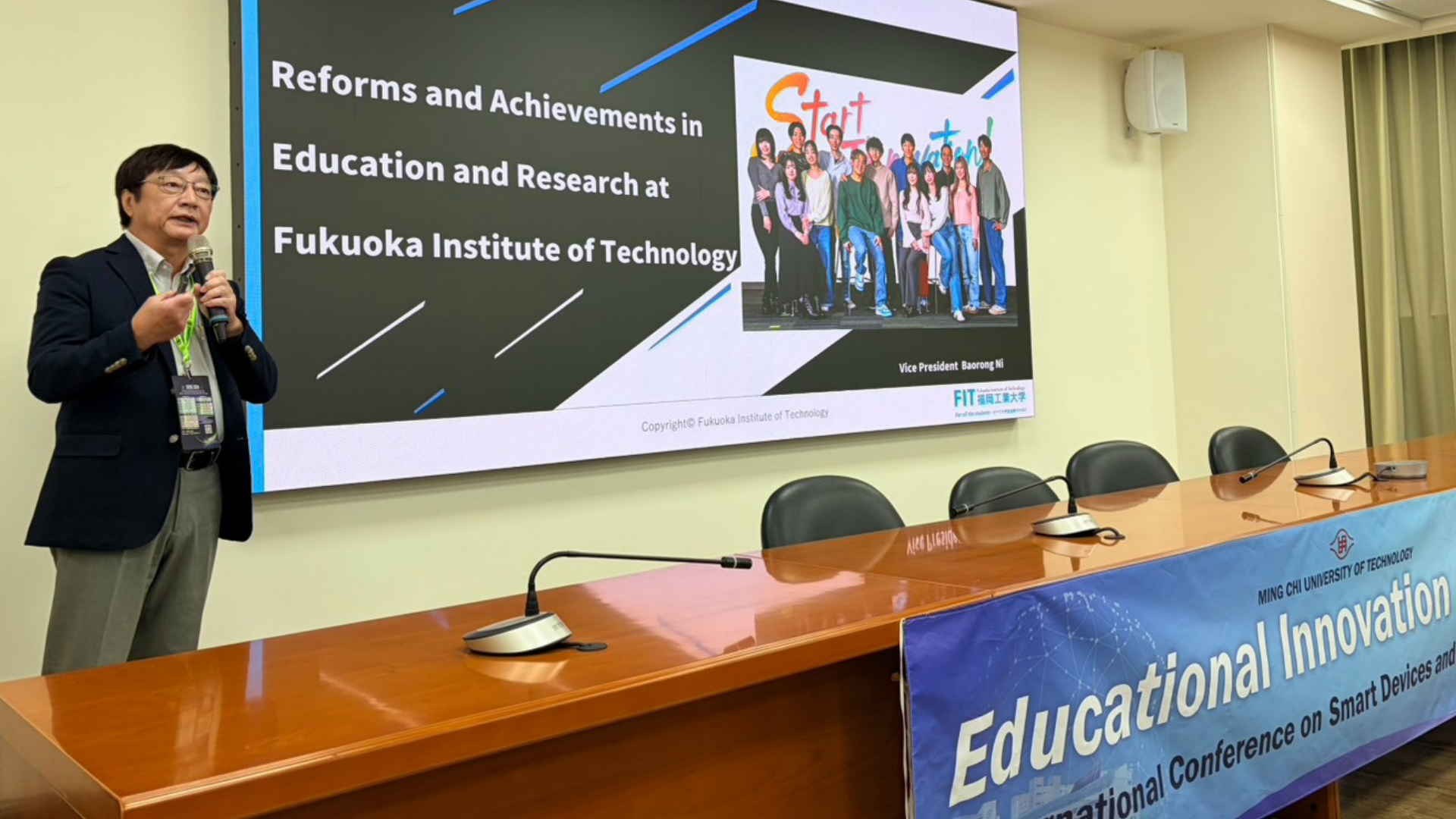
Professor Baorong Ni, Vice President of Fukuoka Institute of Technology, Japan, shared the university's practical experience in promoting active learning under the theme of "Student-Centered Educational Reform." Currently, approximately 80% of FIT courses adopt active learning approaches. Through project-based learning, students are guided to engage with real-world issues involving businesses, government agencies, and local communities. From problem analysis and teamwork to proposing solutions, students transform classroom knowledge into practical skills. In 2025, FIT further collaborated with partner universities in Taiwan, Thailand, Malaysia, and Canada to promote international collaborative projects, enabling students to develop problem-solving abilities, international communication skills, and teamwork competencies through cross-cultural collaboration. These initiatives demonstrate concrete outcomes of integrating international cooperation into everyday teaching.
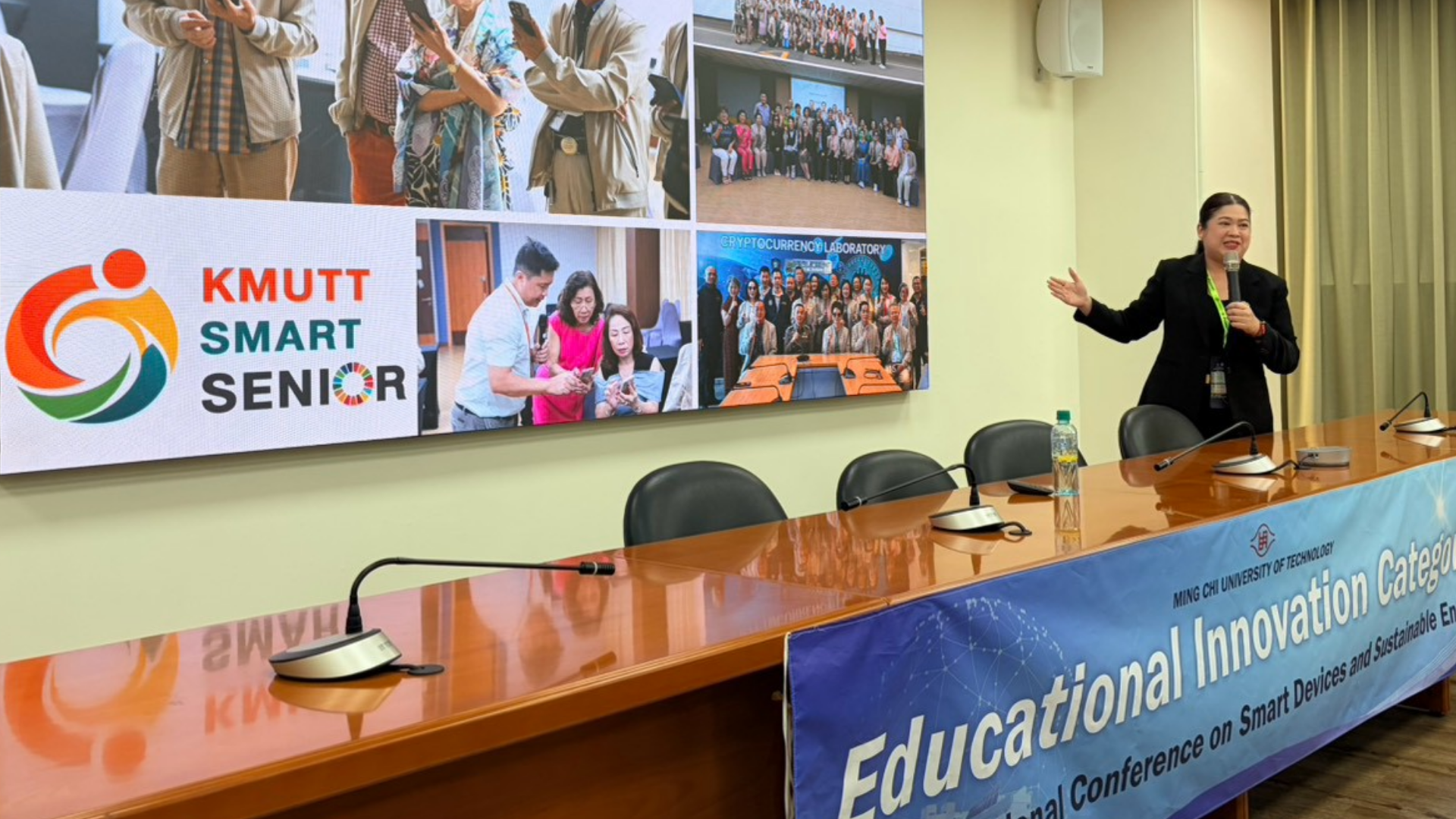
Dr. Ornkanyanee Liang-Itsara of King Mongkut's University of Technology Thonburi, Thailand, approached the topic from the perspectives of industrial talent demands and demographic changes, explaining how KMUTT incorporates lifelong learning into its university development strategy. Through KMUTTWORKS, the university collaborates with businesses to design training courses and divides certain degree courses into independent learning modules, allowing working professionals and external learners to pursue further education flexibly according to their work requirements and individual schedules. In 2025, KMUTT launched the oneKMUTT platform to integrate non-degree educational resources, including short-term courses and customized corporate training programs. In 2026, the number of non-degree courses reached nearly 3,000, with approximately 166,000 lifelong learners, demonstrating the trend of universities extending beyond traditional degree education to provide diverse and flexible learning services.
In addition to inviting international scholars to share their practical experiences, MCUT also arranged poster presentations by more than 30 full-time faculty members, showcasing innovative outcomes in teaching practice research, interdisciplinary projects, and University Social Responsibility (USR). Through presentations by international experts and research exchanges among university faculty members, teaching philosophies, practical experiences, and research outcomes were brought into dialogue, encouraging faculty members to reflect on their teaching designs and opening up more possibilities for future curriculum innovation and international collaboration.
MCUT stated that this international teaching exchange focused on active learning, international collaboration, and lifelong education. By drawing on the educational reform experiences of universities in Japan and Thailand, the event deepened the university's understanding of innovative teaching and diverse talent development models. In the future, MCUT will continue to promote teaching practice, international cooperation, and industry-academia collaboration, strengthen students' ability to solve real-world problems, and actively explore learning mechanisms suitable for working professionals in industry. This will enable higher education not only to nurture young students but also to respond to the needs of industry professionals for continuing education and skills advancement, thereby enhancing the practical value and international competitiveness of technical and vocational education.
Image (No. 1) Description: Vice President Ni of Fukuoka Institute of Technology, Japan, shares experiences in student-centered educational reform.
Image (No. 2) Description: Dr. Liang-Itsara of King Mongkut's University of Technology Thonburi, Thailand, shares experiences in promoting lifelong learning development mechanisms.
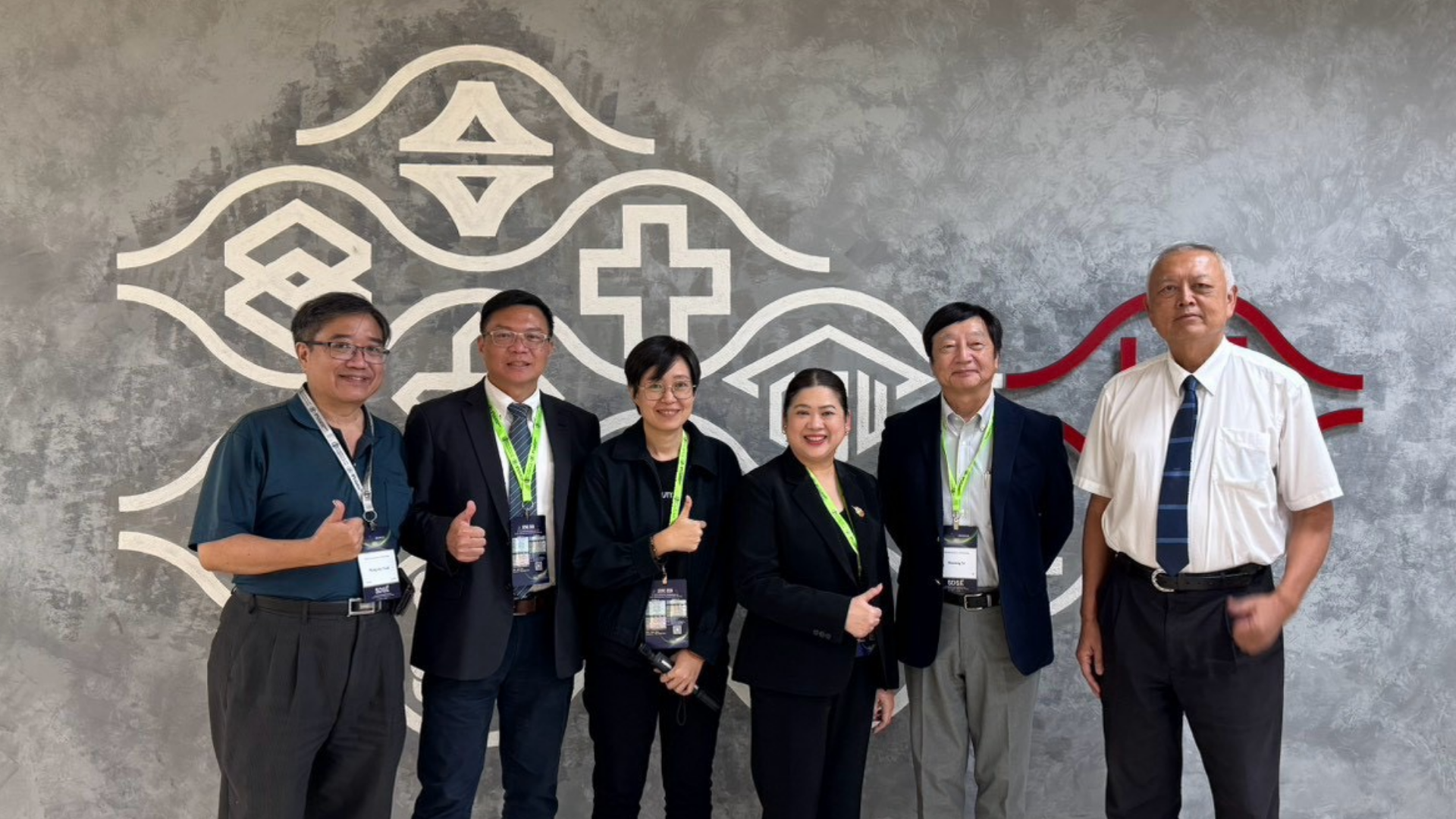
Image (No. 3) Description: President Thu-Hua Liu of Ming Chi University of Technology (from right), Vice President Baorong Ni of Fukuoka Institute of Technology, Japan, Dr. Ornkanyanee Liang-Itsara of King Mongkut's University of Technology Thonburi, Thailand, Senior Education Development Specialist Benjamas Vongvorakit, Provost Kevin Fong-Rey Liu, and Distinguished Professor Meng-Jey Youh of the Department of Mechanical Engineering pose for a group photo in front of the venue.
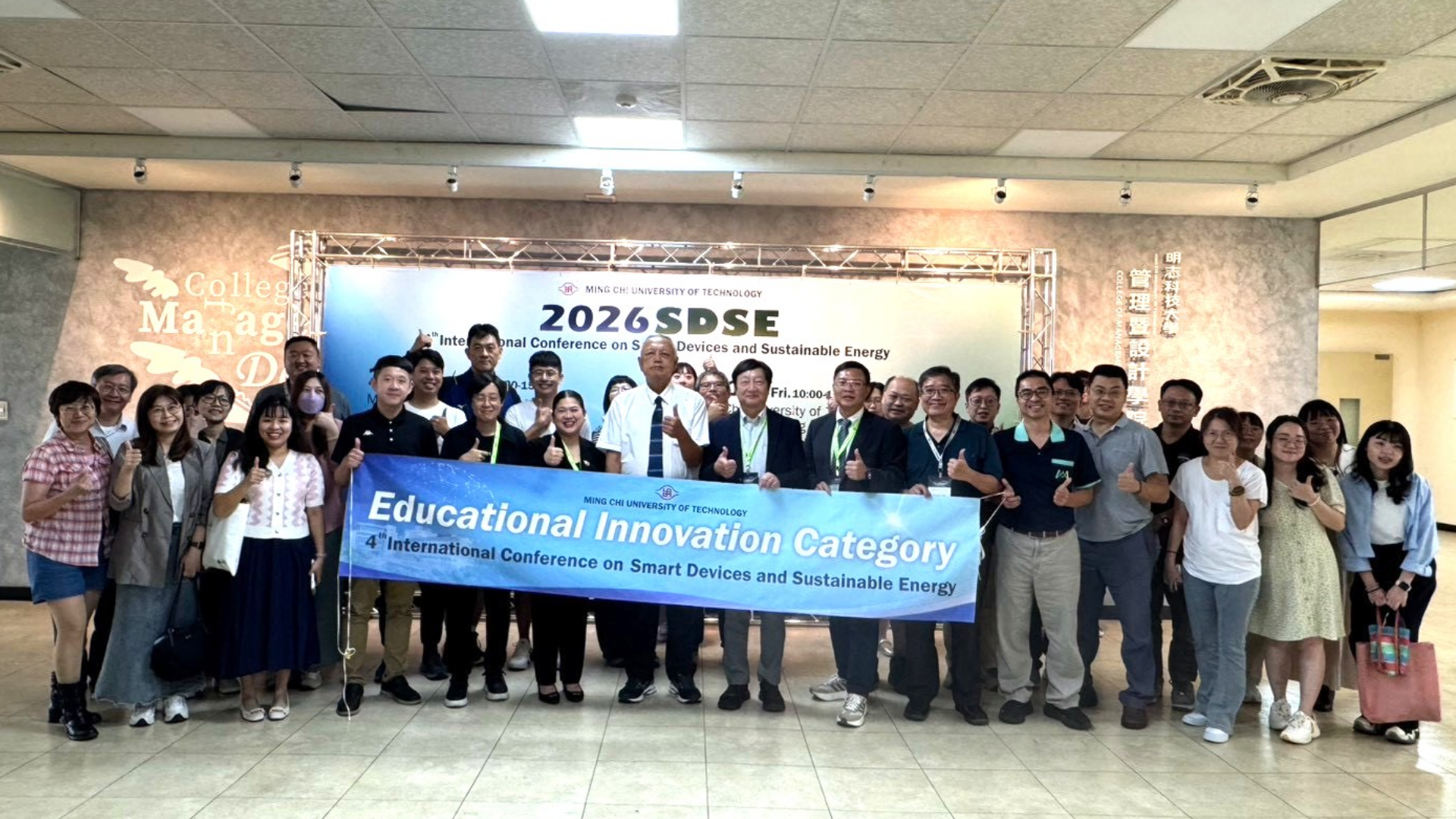
Image (No. 4) Description: Ming Chi University of Technology holds the 2026 SDSE International Teaching Exchange Activity, inviting scholars from universities in Japan and Thailand and participants to pose for a group photo.
