


2026 Special Lecture: “Self-Care for Physical and Mental Well-Being from a Traditional Chinese Medicine Perspective”
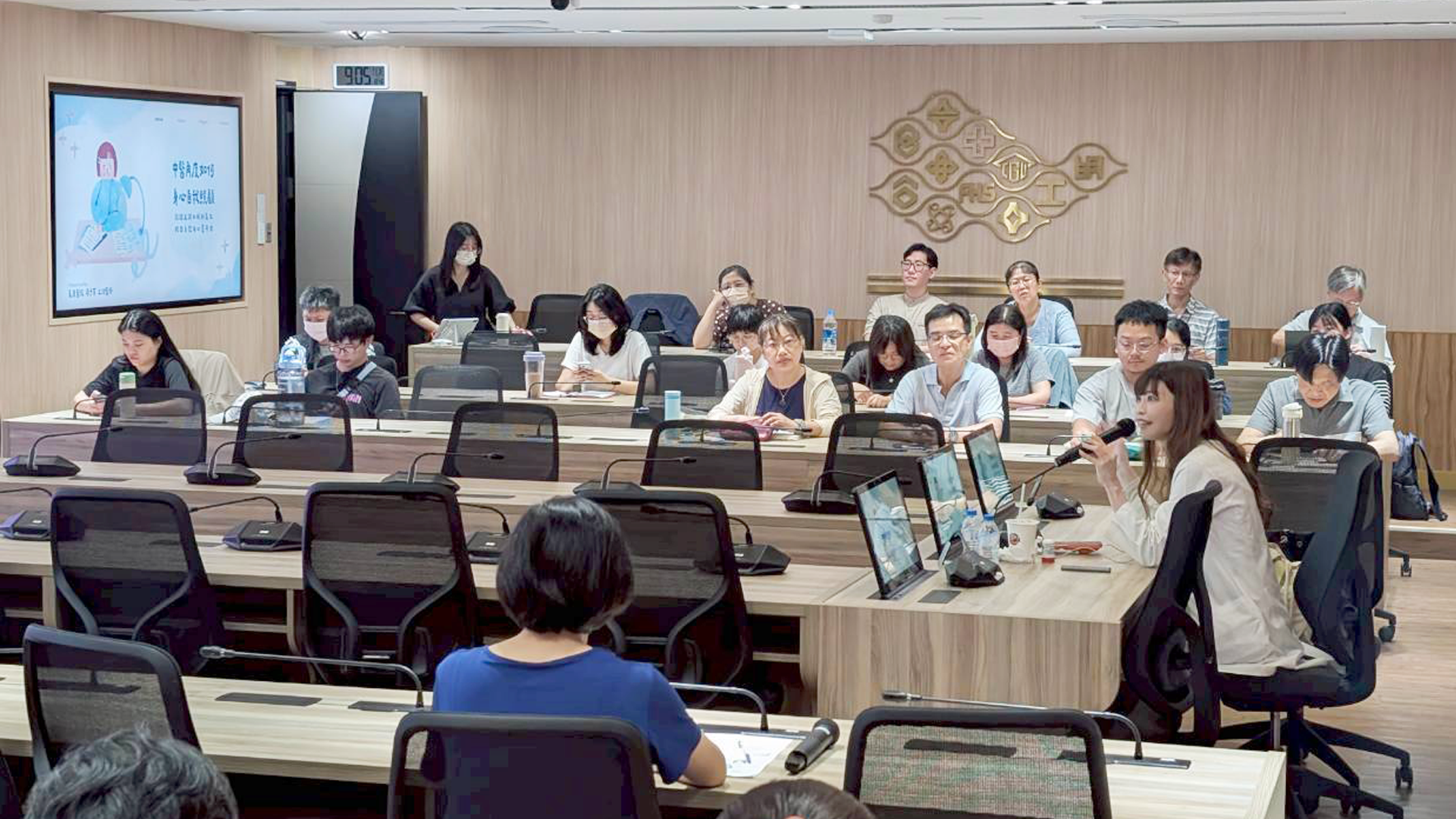
A training session titled “Self-Care for Physical and Mental Well-Being from a Traditional Chinese Medicine Perspective” was conducted with a total of 49 participants. Dr. Liao Yu-Ning, a licensed Traditional Chinese Medicine (TCM) physician, was invited as the instructor. By integrating TCM principles with everyday life experiences, the session guided participants to better understand the messages conveyed by their bodies.
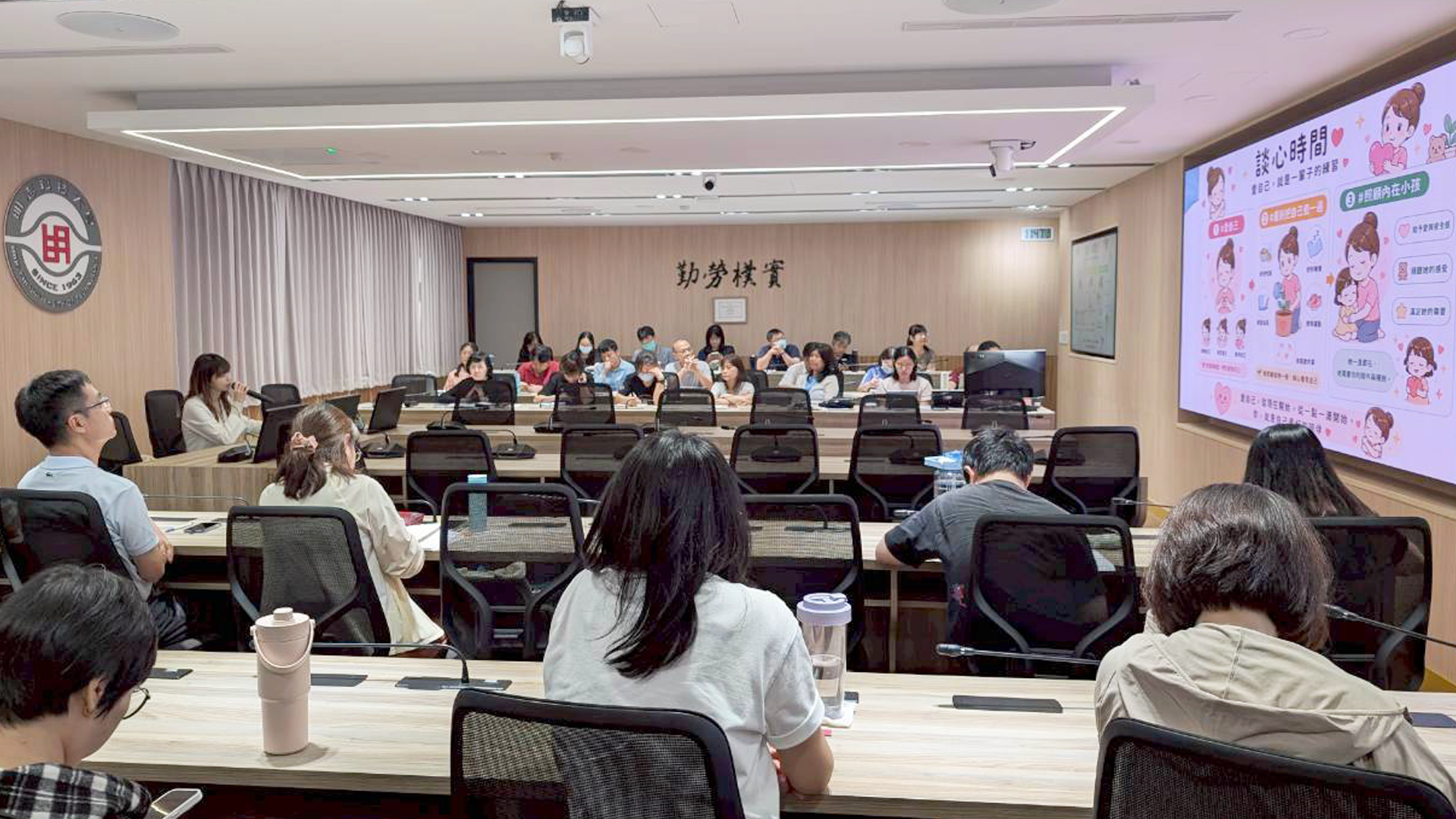
The session focused on common physical and mental health concerns in modern life, including insomnia, a tendency to experience excessive internal heat, and gastrointestinal discomfort. From the perspective of TCM, the instructor explained the interactions among physical symptoms, emotions, daily routines, and psychological conditions. This helped participants develop a more holistic understanding of health and further enhance their self-awareness and ability to manage their own well-being.
Practical cases and everyday scenarios were also incorporated into the session to facilitate participants’ understanding of TCM perspectives on the balance between physical and mental health. The instructor introduced practical self-care methods that could be applied in daily life, including commonly used acupressure points, massage locations, breathing techniques, and other approaches to maintaining health and regulating physical and mental well-being. In this way, the training extended beyond theoretical knowledge to practical applications in everyday life, encouraging participants to establish healthy habits such as maintaining regular routines, practicing appropriate self-care, and paying greater attention to their physical and mental conditions. Ultimately, the session aimed to promote overall well-being and enhance quality of life.
According to the post-training survey, 100% of participants agreed that the course content enhanced their understanding of how TCM views physical and psychological well-being. In addition, 100% of participants agreed that the course helped them better understand how to apply TCM concepts to assess their own physical and mental health. Furthermore, 93.97% of participants agreed that the course increased their understanding of how TCM concepts could be applied to promote their own or others’ physical and mental well-being. Overall, 100% of participants reported that they gained substantial knowledge and benefits from the course, 100% considered the course design and arrangement appropriate, and 100% considered the allocation of course time appropriate.
Qualitative feedback was also highly positive. One participant commented: “Thank you, Dr. Liao, for sharing your professional knowledge and practical examples of Traditional Chinese Medicine. Through your concise and engaging explanations, I gained a basic understanding of TCM and benefited greatly from the session. I found the encouragement on the emotional and psychological level very meaningful. I have always believed that a good physician should take both a patient’s physical and psychological well-being into consideration, and this young doctor truly demonstrated that principle. It was an excellent and inspiring presentation.”
Image (No. 1) Description: Instructor Introduction
Image (No. 2) Description: Introduction to Fundamental Traditional Chinese Medicine Concepts
Image (No. 3) Description: Demonstration of Breathing Regulation Techniques
