


Exploring Daxi: International Students Discover Taiwan’s Culture and Sustainability
To deepen international students’ understanding of Taiwan’s local culture, environmental sustainability, and community development practices, the Office of International Affairs at Ming Chi University of Technology recently organized the “Daxi Cultural and Sustainability Exploration Tour” in Taoyuan. The program brought together international students from various countries to explore some of Daxi’s most representative ecological, agricultural, and cultural sites. Through guided tours, immersive cultural experiences, and cross-cultural interaction, students gained firsthand insight into Taiwan’s diverse approaches to sustainable governance, cultural preservation, and community revitalization.
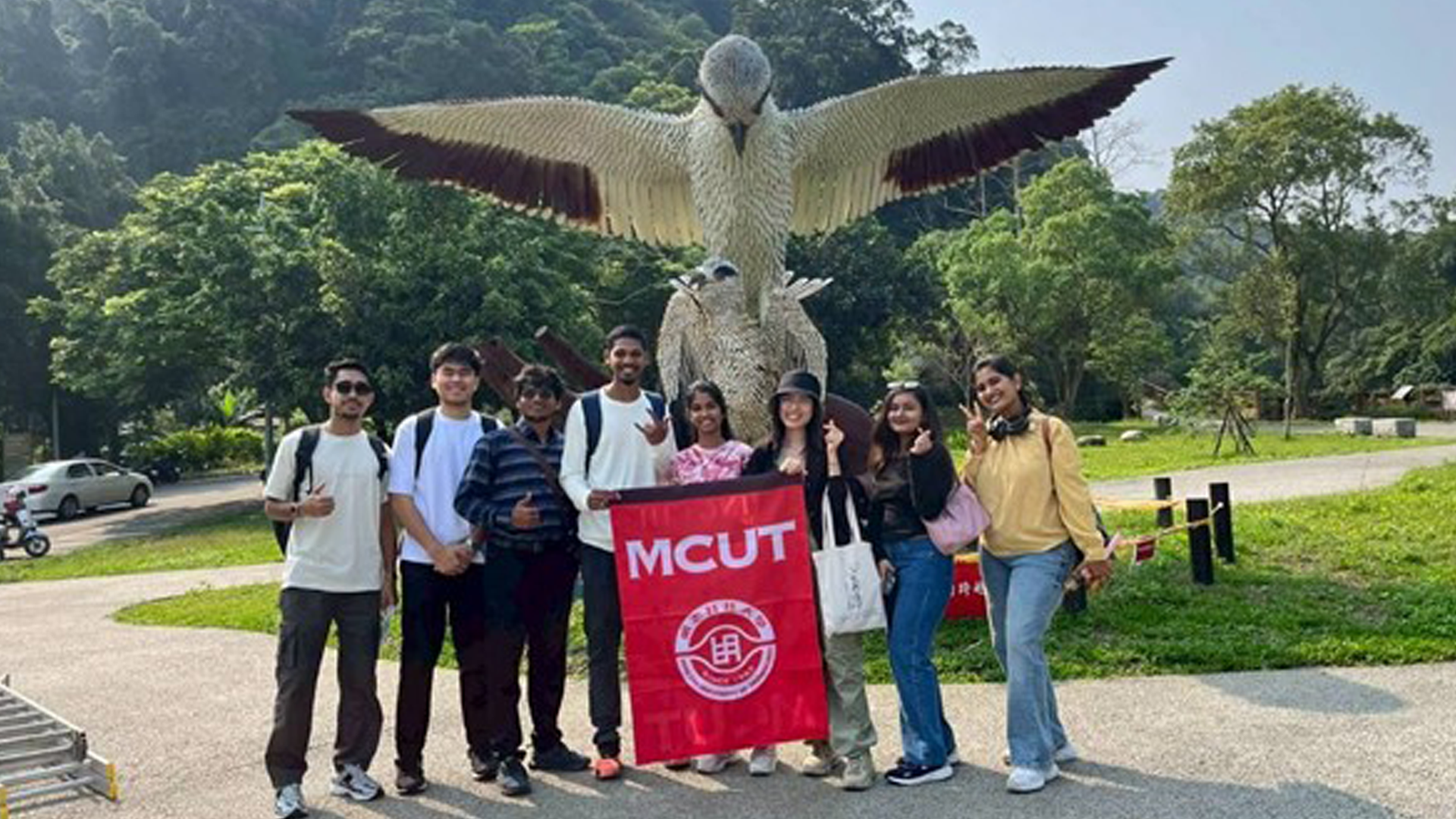
The journey began at the Yuemei Artificial Wetland Cypress Avenue and Ecological Park, a scenic destination well known for its picturesque landscape and ecological significance. Beyond its popularity as a photography spot, the wetland also serves important functions in water purification and ecological restoration, showcasing Taiwan’s achievements in environmental management and sustainable development. During the guided tour, students learned how natural wetland systems are utilized to treat wastewater while simultaneously promoting environmental education and landscape aesthetics. Surrounded by towering bald cypress trees and tranquil wetland scenery, many students eagerly captured the experience through photos and videos, expressing admiration for Taiwan’s ability to integrate environmental engineering with public recreational spaces.
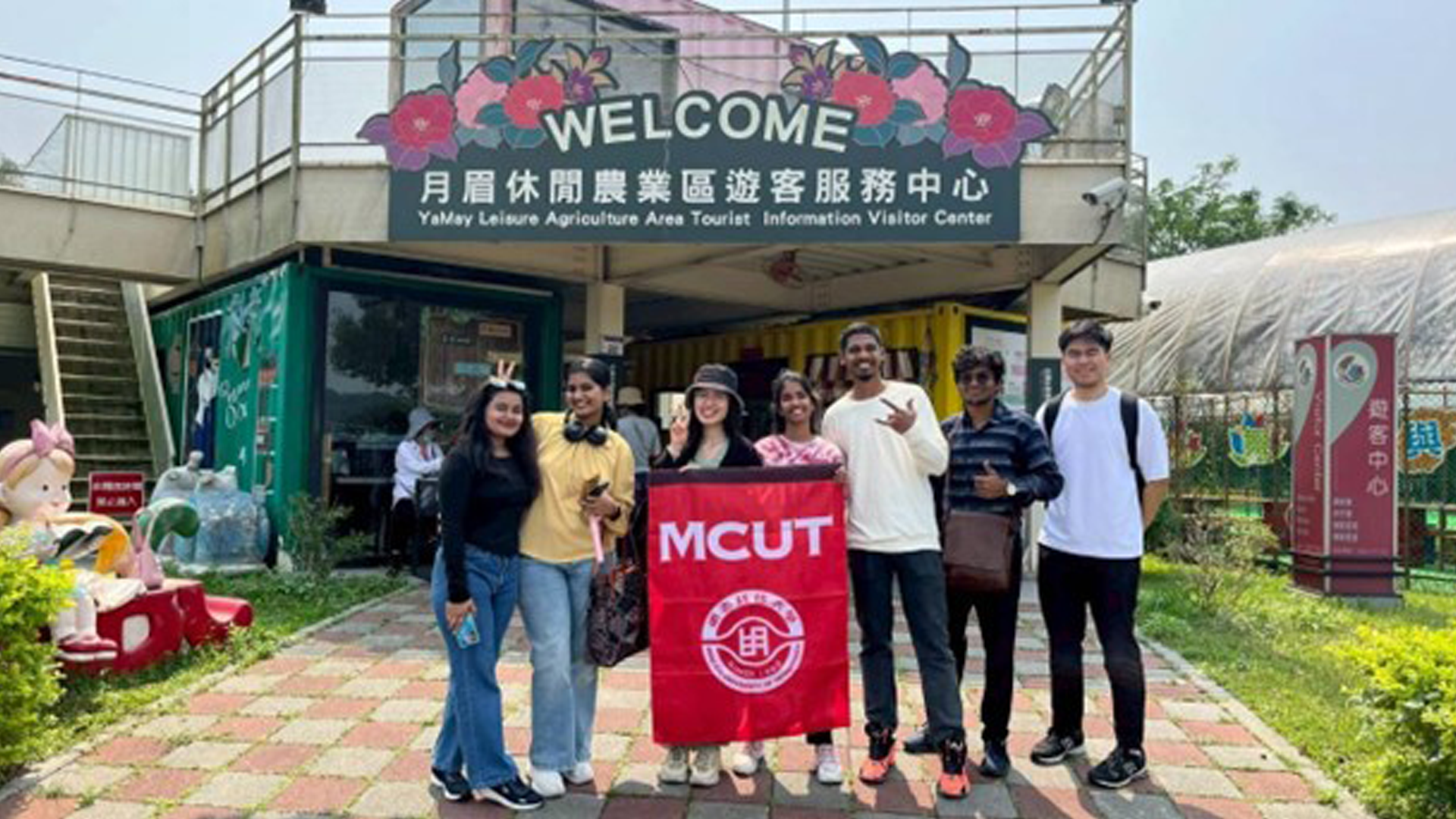
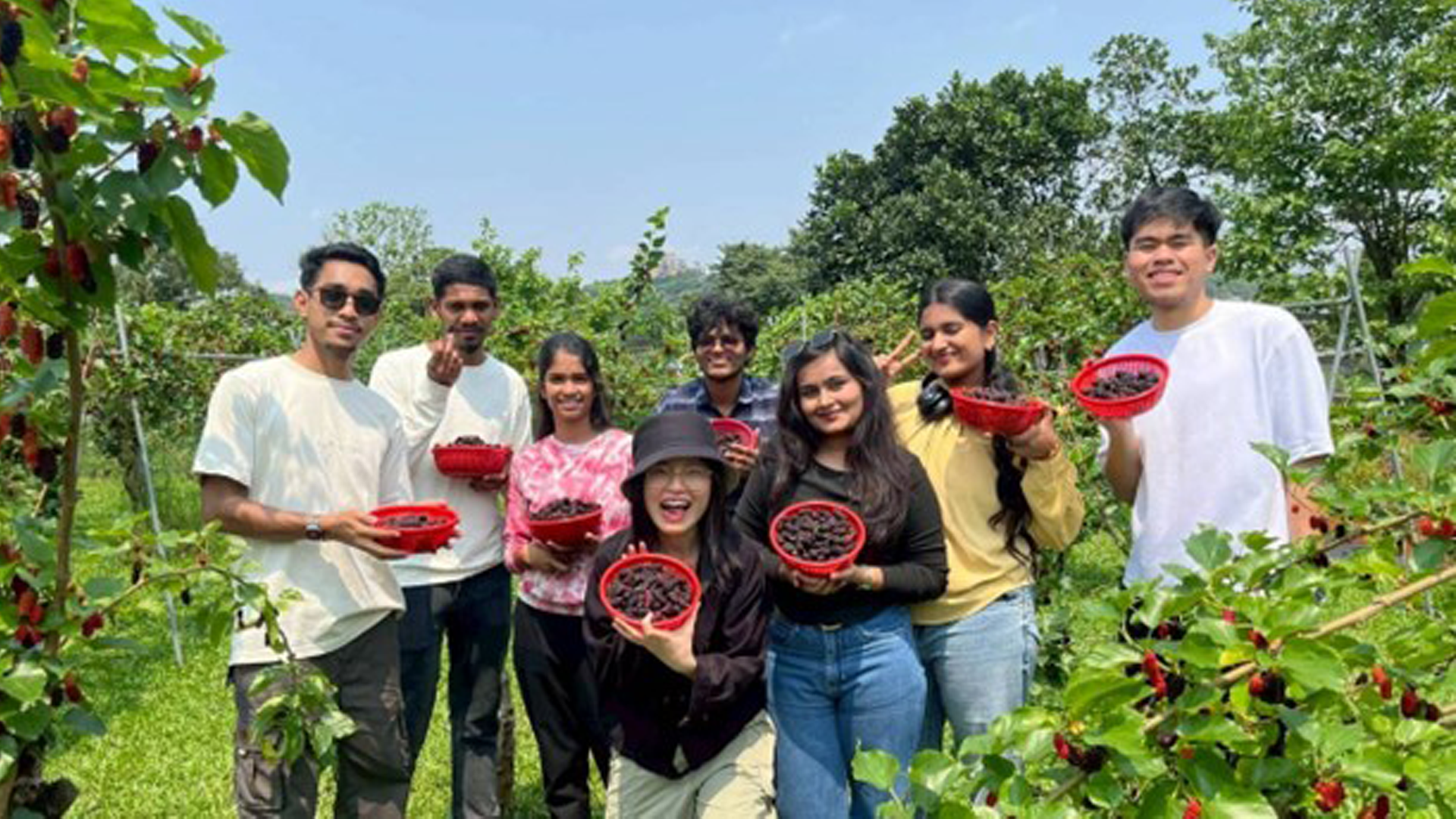
The group then visited the Yuemei Leisure Agriculture Area to learn about the transformation of local agriculture and rural revitalization efforts. Through on-site visits and interactions with local farmers, students observed how the region has gradually evolved from a traditional production-based agricultural area into a leisure agriculture model that combines tourism, education, and local industries. The experience reflected the core values of the United Nations Sustainable Development Goals (SDGs), particularly in relation to sustainable communities and regional development. During the visit, students also participated in a mulberry-picking activity, where laughter filled the farm as everyone’s hands quickly turned shades of purple from the freshly picked fruit. The warm hospitality of the farm owner, who enthusiastically shared local stories and treats with the students, further allowed participants to experience the friendliness and authenticity of Taiwan’s rural communities.
At noon, the group headed to Daxi Old Street for lunch and a cultural walking tour. Famous for its preserved Baroque-style facades, Daxi Old Street stands as a living reminder of the area’s commercial prosperity during the Japanese colonial era. Through guided exploration, students observed the architectural details and preservation of historical streetscapes while tasting local delicacies such as Daxi dried tofu and traditional snacks. Many students described the old street as “a maze of local flavors and history,” where every corner offered both culinary discoveries and cultural stories. The visit allowed participants to experience the depth of Taiwan’s local heritage through architecture, food, and everyday community life.
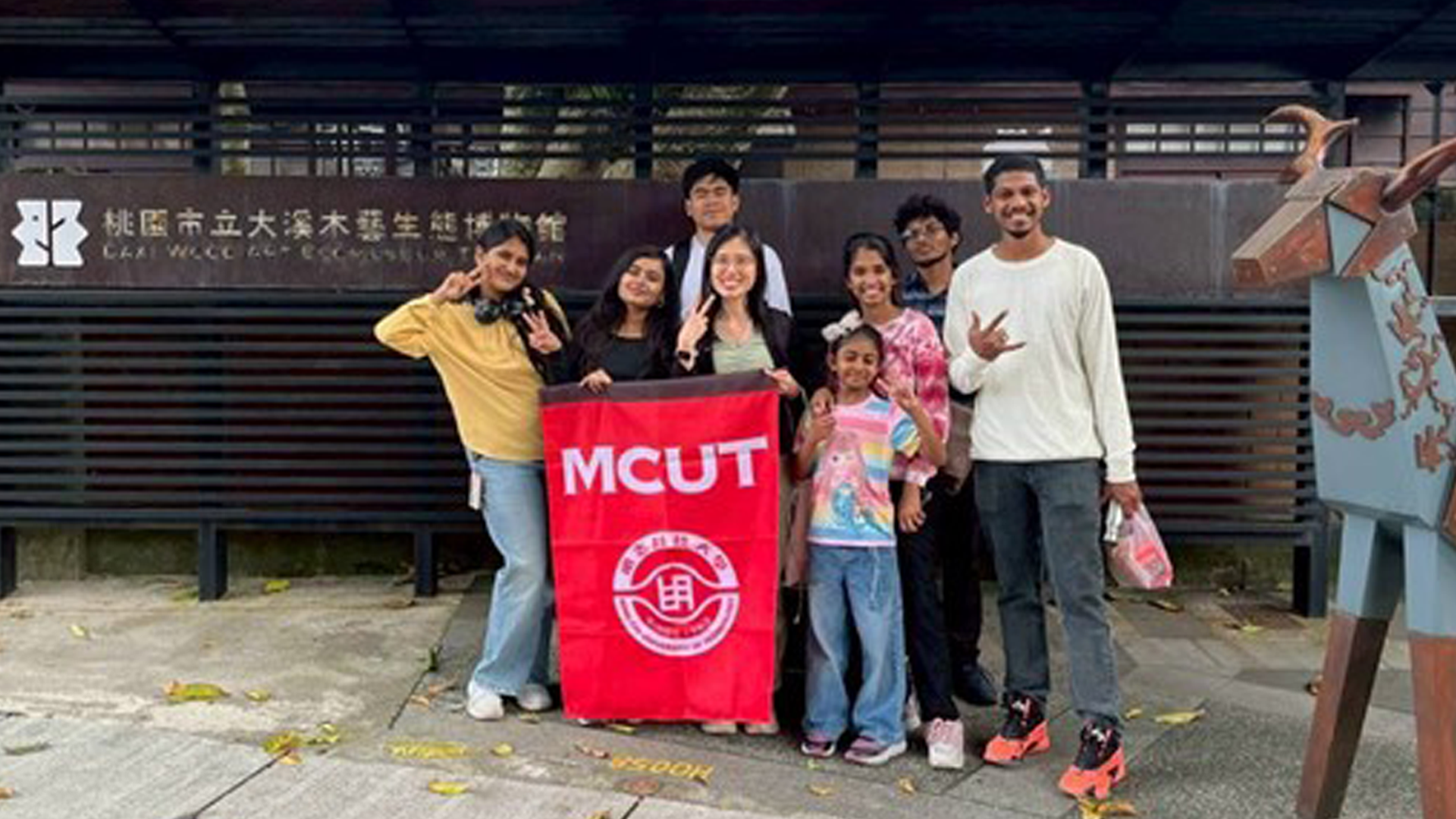
In the afternoon, students visited the Daxi Wood Art Ecomuseum, one of Taiwan’s most distinctive “museum without walls” initiatives. Integrating historical architecture, traditional woodcraft culture, and urban streetscapes, the museum demonstrates Taiwan’s commitment to cultural preservation and adaptive reuse of heritage spaces. Through professional guided tours, students learned about the historical development of Daxi’s woodworking industry as well as the preservation and restoration techniques used for Japanese-era dormitory buildings. Walking through the serene wooden structures and historical spaces, participants gained a deeper appreciation for how Taiwan incorporates cultural memory into contemporary living environments through thoughtful urban regeneration and cultural governance.
Throughout the activity, students from different cultural backgrounds built friendships through shared experiences and meaningful conversations while discovering a different side of Taiwan beyond its urban landscapes. One international student shared, “This trip showed me that Taiwan not only focuses on modern city development, but also places great importance on environmental conservation and cultural preservation. Being able to personally explore local communities was a truly valuable experience.” Another student noted that every stop along the journey — from natural landscapes and rural experiences to historical streets and museums — revealed the richness and diversity of Taiwan’s local culture.
Ming Chi University of Technology continues to promote “local internationalization” and cross-cultural engagement through a variety of experiential learning activities and cultural programs. By encouraging international students to connect with Taiwan through real-world experiences, the university aims to foster deeper cultural understanding while cultivating a more inclusive, diverse, and globally engaged campus environment. The “Daxi Cultural and Sustainability Exploration Tour” not only broadened students’ international perspectives and cultural awareness, but also created meaningful memories and strengthened intercultural connections within the university community.
Image (No. 1) Description: Group photo at the Yuemei Leisure Agriculture Area
Image (No. 2) Description: Students enjoyed their first mulberry-picking experience, proudly posing with baskets filled with freshly harvested mulberries while capturing a joyful moment of cultural and agricultural exploration.
Image (No. 3) Description: Group photo at the Daxi Wood Art Ecomuseum
Image (No. 4) Description: Group photo in front of Yuemei Artificial Wetland Ecological Park.
