


Extracting Resources from Waste Batteries: Ming Chi University of Technology Team Develops Purity Analysis Workflow for Lithium Iron Phosphate (LFP) Battery Recycling
With the growing popularity of green energy applications such as electric vehicles and energy storage systems, the demand for lithium batteries has surged. However, the issue of disposing of waste batteries at the end of their lifespan has also emerged. If not properly recycled, the metal components within waste batteries not only cause environmental pollution but also represent a significant waste of resources. A cross-departmental research team composed of students from the Department of Environmental and Occupational Safety and Health and the Department of Chemical Engineering at Ming Chi University of Technology collaborated on an industrial practice project. They developed a "Purity Identification and Analysis Workflow for Recycled Lithium Iron Phosphate Battery Products," aiming to improve the efficiency of battery resource recovery and achieve circular economy goals.
In this research project, Chemical Engineering students were responsible for the dismantling and material recovery process of the waste LFP batteries. Meanwhile, Environmental and Safety students focused on the elemental composition and purity analysis of the recycled products. They utilized microwave digestion technology for sample pretreatment and employed Inductively Coupled Plasma Optical Emission Spectrometry (ICP-OES) to analyze the content of metal elements such as lithium, iron, and phosphorus. Through the establishment of this systematic process, the students successfully constructed a purity identification method with practical application potential, providing a technical reference for the future battery recycling industry.
The research team noted that beyond high technical barriers, differences in procedures used by various recycling companies affect the quality stability of recycled materials. Therefore, accurately and rapidly determining the elemental composition of recycled products is a critical step in promoting the reuse of waste battery resources. This project not only focused on technical development but also facilitated cross-departmental collaboration, teaching students how to integrate chemical engineering with analytical testing expertise to solve practical problems.
Furthermore, during the experimental process, students gained insights into the potential environmental risks posed by waste batteries and developed a deep understanding of the importance of resource circulation and sustainable development. Through industry-university cooperation and problem-based learning, this project enhanced the students' cross-disciplinary practical skills and cultivated young talent with environmental awareness and technical proficiency for the future battery recycling industry.
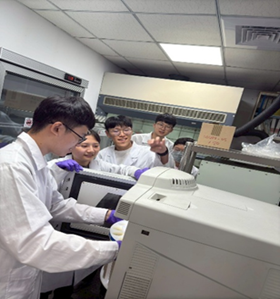
Image (No. 1) Description: Instrument Instruction and Operating Procedures
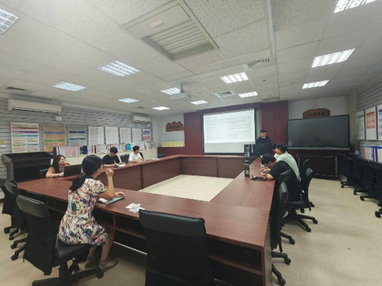
Image (No. 2) Description: Literature Review and Results Report
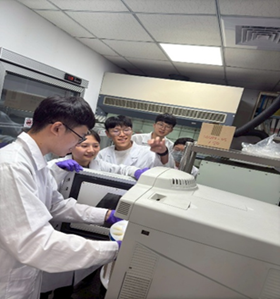
Image (No. 3) Description: Instrument Instruction and Operating Procedures
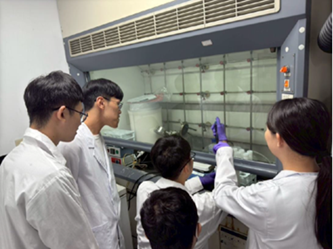
Image (No. 4) Description: Practical Hands-on Operation
中文:從廢電池中找資源:明志科大團隊打造鋰鐵電池回收純度分析流程
This article is simultaneously published in the 44th edition of the SDGs E-paper.
