


AI Transformation Drives a New Vision for University Development: Ming Chi University of Technology Advances Teaching, Student Support, Research, and Industry–Academia Collaboration
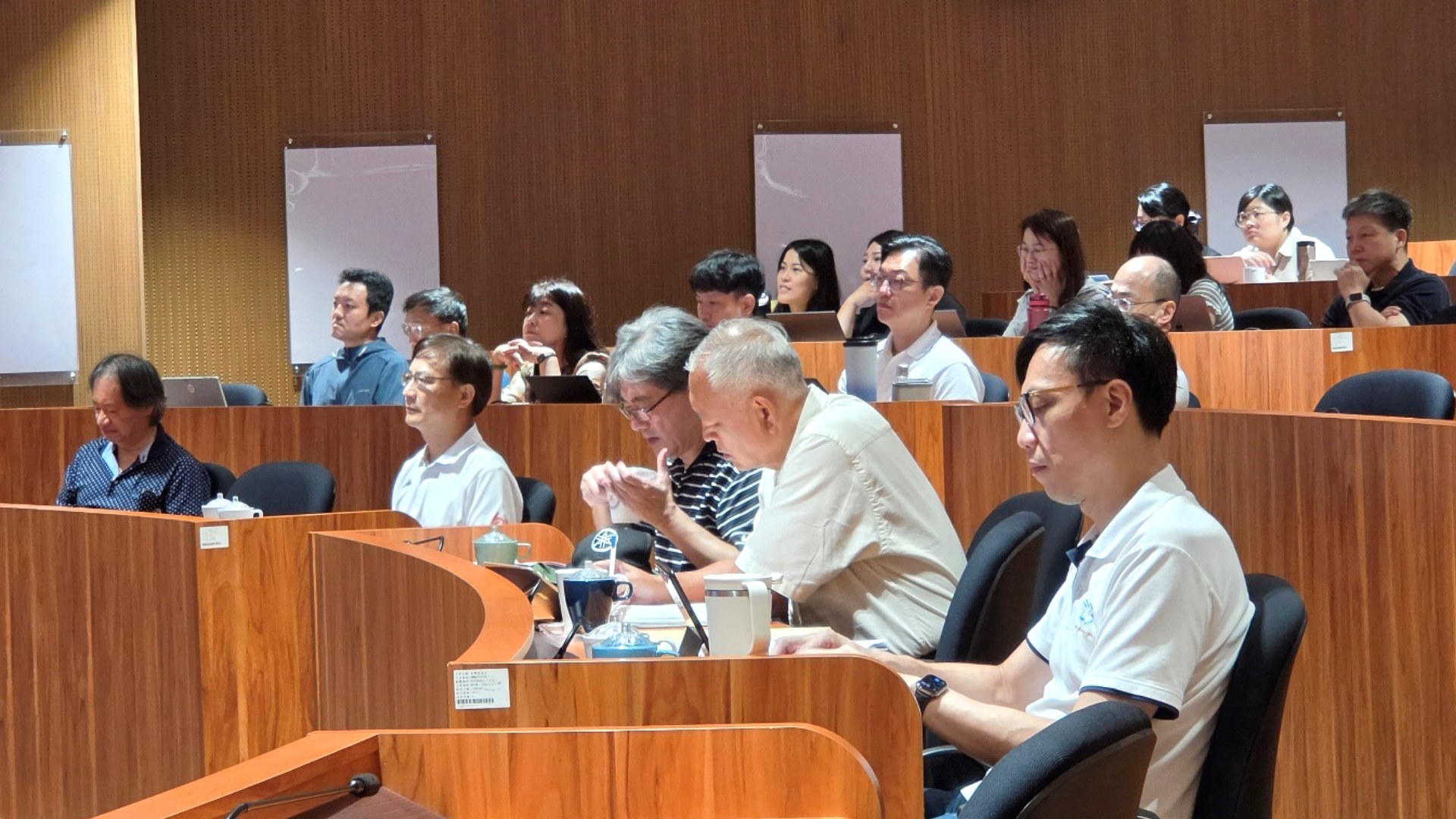

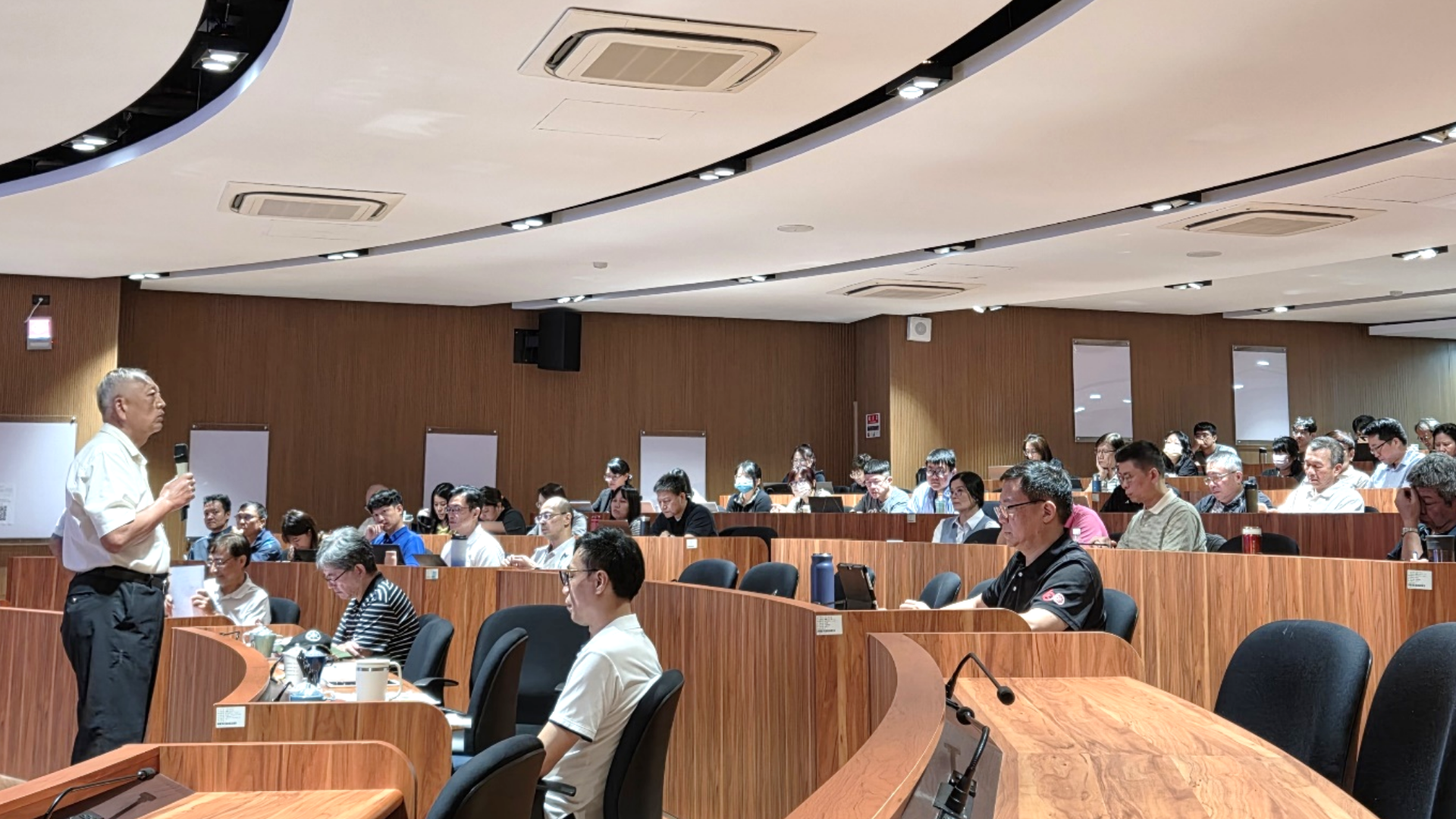
To welcome the new academic year, Ming Chi University of Technology (MCUT) recently held its 2026 University Affairs Seminar, chaired by President Thu-Hua Liu. A total of 200 faculty and staff members participated over the two-day event, exchanging ideas on university development, mid- and long-term planning, and future priorities. Discussions focused on artificial intelligence (AI) transformation, teaching quality, research and industry–academia collaboration, internationalization, and sustainability, laying the groundwork for the university’s next phase of development.
President Thu-Hua Liu noted that, in response to the challenges facing higher education, including declining birth rates, MCUT will pursue a development strategy centered on “actively securing external resources while continuously cultivating distinctive strengths internally.” Through focused educational excellence, research and development capabilities, teaching quality, and meaningful interactions between faculty and students, the university aims to strengthen its competitive advantages and establish a distinctive institutional identity. MCUT will also continue to pursue major funding programs, nurture early-career faculty and research talent, and enhance interdisciplinary integration and external visibility across its research centers.
AI transformation emerged as a key theme of the seminar. In teaching, MCUT plans to promote inquiry-based learning through an “X + AI” approach, integrating English proficiency, programming, overseas experiential learning, and interdisciplinary courses such as “Design Thinking × Sustainability in Action.” Through industry co-teaching, iPAS professional certifications, and overseas internships, the university aims to equip students with interdisciplinary knowledge and practical skills. On the administrative front, MCUT plans to integrate AI into administrative workflows, data analysis, and university information systems, while developing an institution-specific AI environment and the “MCUT AI Portal” to gradually build a smart campus.
In research and industry–academia collaboration, MCUT continues to invest in research personnel and collaborative projects with industry. In 2025, faculty members receiving research subsidies accounted for 81% of the university’s SCI-indexed publications, 90% of its Q1 journal publications, 82% of its National Science and Technology Council (NSTC) projects, and 97% of its technology transfers. These figures highlight the university’s research capacity and industry engagement. Looking ahead, MCUT will integrate advanced research, its research and industry collaboration building, and startup incubation initiatives to advance research outcomes toward technology validation and industrial applications.
In student development and social responsibility, MCUT continues to integrate support services covering student life, mental well-being, and career development, while promoting residential college education, the Hong-Hu (鴻鵠) Program, and University Social Responsibility (USR) initiatives rooted in local communities. Sustainability efforts focus on low-carbon campus operations, biodiversity, and energy management, with the university working toward carbon neutrality by 2043 and net-zero emissions by 2050.
MCUT emphasized that student learning and growth remain at the heart of all its development initiatives. Moving forward, the university will continue to integrate innovative teaching, AI-driven transformation, research and industry–academia collaboration, internationalization, and sustainability through cross-unit collaboration and concrete action. By strengthening its institutional identity, enhancing educational quality, and expanding its social impact, MCUT aims to advance as a university of technology with strong international competitiveness and a significant impact on industry.
Image (No. 1) Description: Ming Chi University of Technology’s 2026 University Affairs Seminar brought together university leadership, department heads, faculty, and staff to discuss institutional development. Pictured from right are Executive Vice President Shun-Wei Liu; President Thu-Hua Liu; Vice President Cherng-Min Ma; and Secretary General Chin-Wan Chou.
Image (No. 2) Description: Participants at Ming Chi University of Technology’s 2026 University Affairs Seminar listen attentively and exchange ideas on university development and key priorities for the new academic year.
Image (No. 3) Description: President Thu-Hua Liu delivers the opening remarks at the seminar, encouraging department heads and participants to reflect on university development, mid- and long-term planning, and future strategic priorities, and to work together to advance the university’s sustainable development.
