


MCUT Creates a More International Campus: Students from 10 Countries Learn, Connect, and Experience Taiwan Together
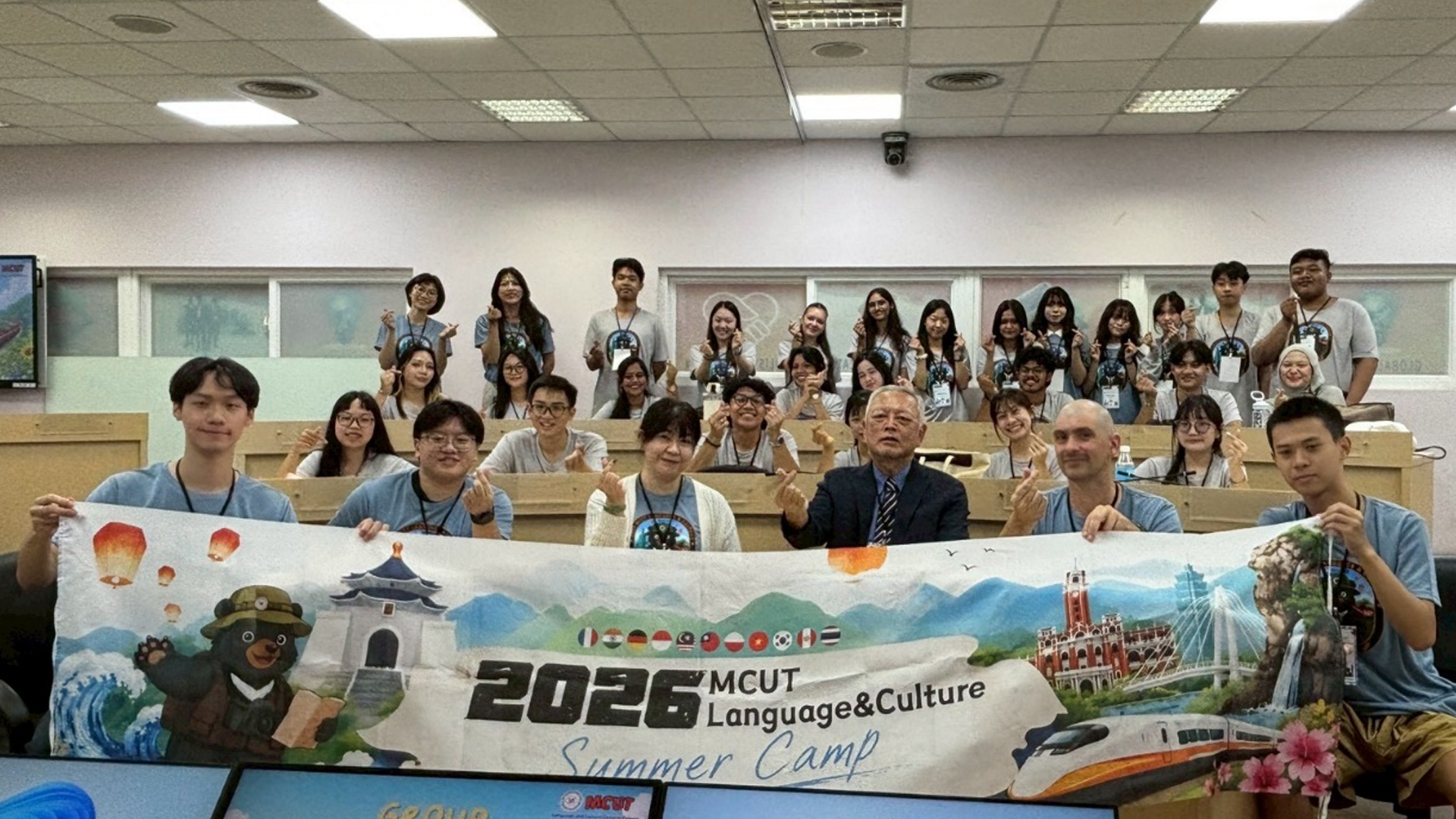

To strengthen partnerships with international institutions and broaden students’ global perspectives, Ming Chi University of Technology (MCUT) recently held the first session of its 2026 Chinese Language and Culture Camp, bringing together 22 students from 10 countries—India, Indonesia, Malaysia, South Korea, Thailand, France, Vietnam, Myanmar, Mongolia, and Taiwan—for 10 days of academic learning and cultural exchange.
Students from 13 overseas partner universities participated in the program. Through academic courses, visits to research facilities, and Taiwanese cultural experiences, participants gained a deeper understanding of Taiwan’s higher education system while experiencing MCUT’s commitment to international education and global talent development.
MCUT stated that, in response to the growing demand for globally minded and interdisciplinary talent, the University continues to create diverse learning opportunities through partnerships with overseas institutions, international exchange programs, and short-term academic and cultural programs.
The camp brought together teaching and research resources from across the University, with courses jointly supported by the Research Center for Intelligent Medical Devices, Organic Electronics Research Center, Battery Research Center of Green Energy, Department of Business and Management, Department of Industrial Engineering and Management, Department of Electrical Engineering, and Department of Safety, Health and Environmental Engineering. The program included visits to research centers and laboratories, lectures, and hands-on activities, giving international students an up-close look at MCUT’s achievements in smart technologies, green energy, biomedical applications, and engineering education.
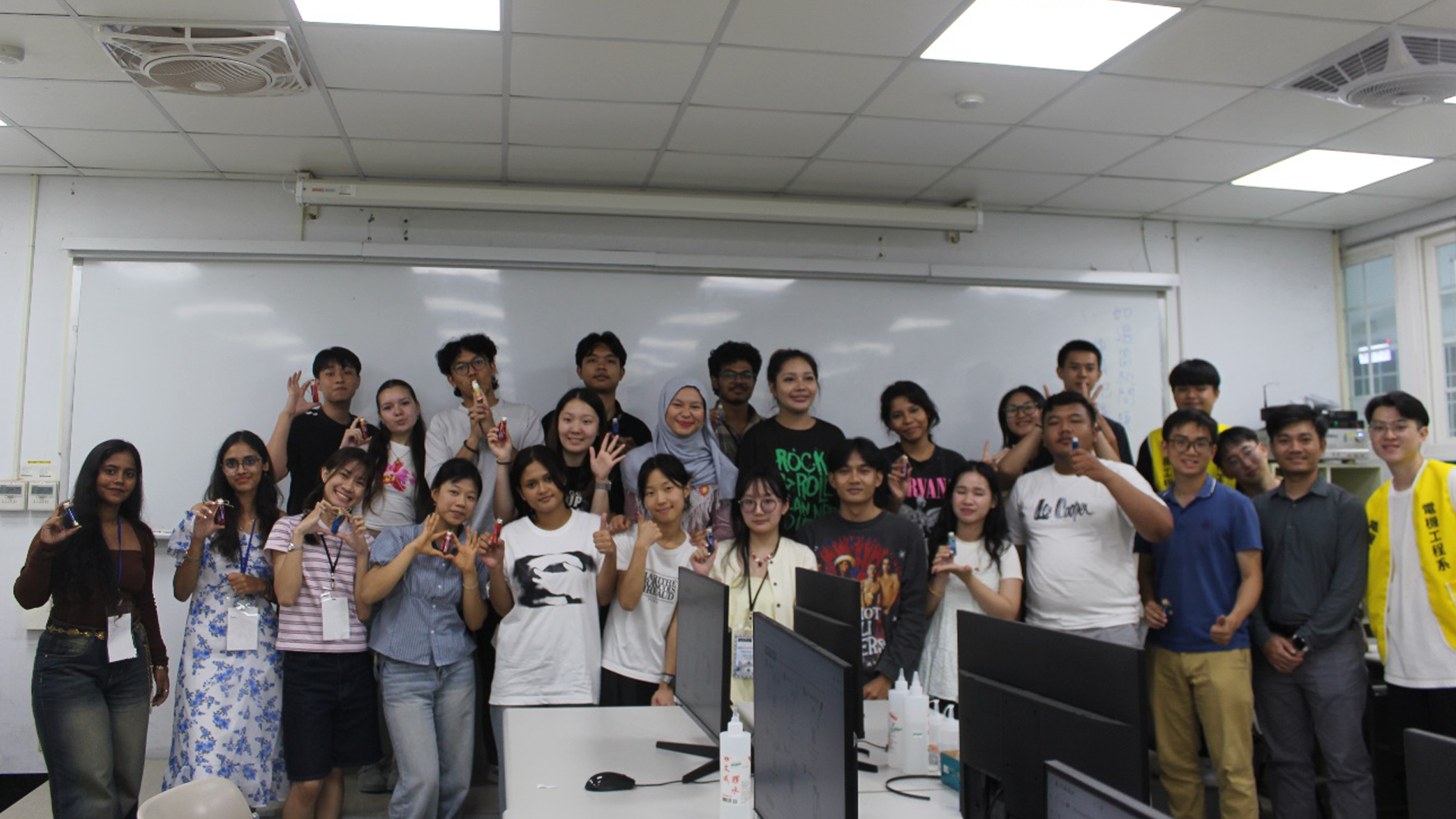
The academic program covered a wide range of topics, including biomedical applications of engineering devices, the development and applications of optoelectronic systems, battery fabrication and research, production-line simulation, hands-on electrical engineering laboratory activities, and DIY storm glass making. Through multinational teamwork and hands-on learning, students experienced Taiwan’s technical and vocational education model, which emphasizes the integration of theory and practice. These activities also helped participants develop teamwork and cross-cultural communication skills.
In addition to academic activities, the camp featured a variety of cultural visits. Participants visited the National Palace Museum, Dihua Street in Dadaocheng, and Xinzhuang Baseball Stadium. By exploring historical artifacts, traditional neighborhoods, and Taiwan’s professional baseball culture, students experienced Taiwan from a variety of perspectives and gained a greater appreciation for the diversity and vitality of Taiwanese society.
Another highlight of the program was the active participation of MCUT students. Six students served as buddies for the international participants, while students from various academic departments and research centers assisted as teaching assistants and activity staff throughout the camp. Their involvement helped international students adapt to both academic and daily life in Taiwan while also providing local students with opportunities to interact with peers from around the world without leaving campus—putting the concept of “internationalization at home” into practice.
Although some activities had to be adjusted due to a typhoon during the program, the camp was successfully completed through the joint efforts of faculty members, administrative staff, and student volunteers. Participants shared that the experience not only expanded their academic knowledge but also allowed them to build valuable international friendships. Many also expressed a strong impression of Taiwanese culture and MCUT’s distinctive approach to education.
Looking ahead, MCUT will continue to deepen cooperation with its partner universities around the world. Through international cultural camps, student exchange programs, and cross-border academic collaboration, the University aims to provide students with more opportunities for intercultural learning, cultivate globally mobile and competitive talent, strengthen its international presence, and create a high-quality campus with a truly global outlook.
Image (No. 1) Description: Opening ceremony group photo of the 2026 Chinese Language and Culture Camp – Session 1
Image (No. 2) Description: DIY storm glass activity at the Department of Safety, Health and Environmental Engineering.
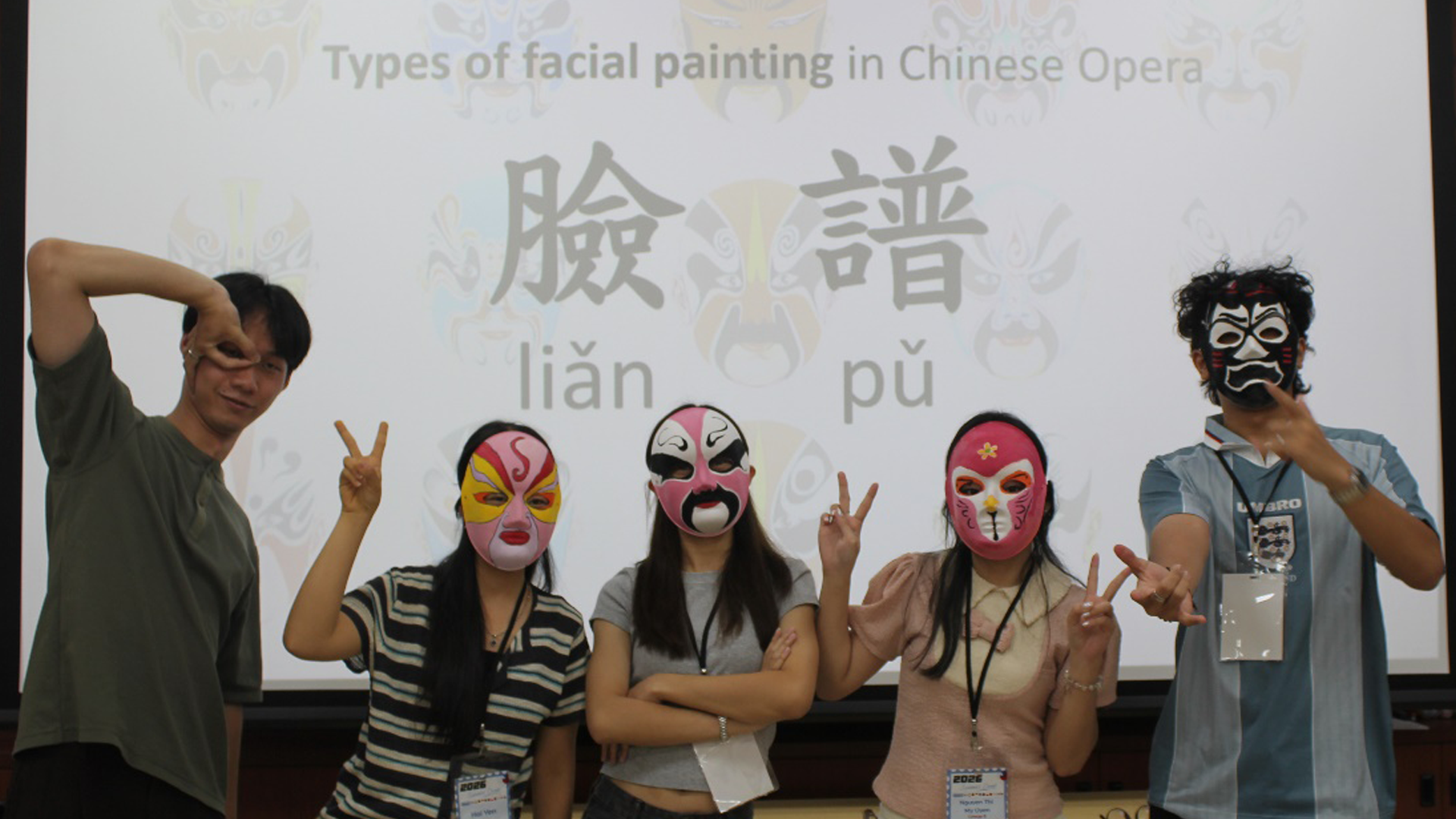
Image (No. 3) Description: Chinese opera face painting activity during the Chinese language class.
Image (No. 4) Description: Experiencing Taiwan’s baseball culture at Xinzhuang Baseball Stadium.
