


From Problem-Solving to "Seeing the Humanity": MCUT Partners with PwC to Deepen Social Impact through Design Thinking and SROI

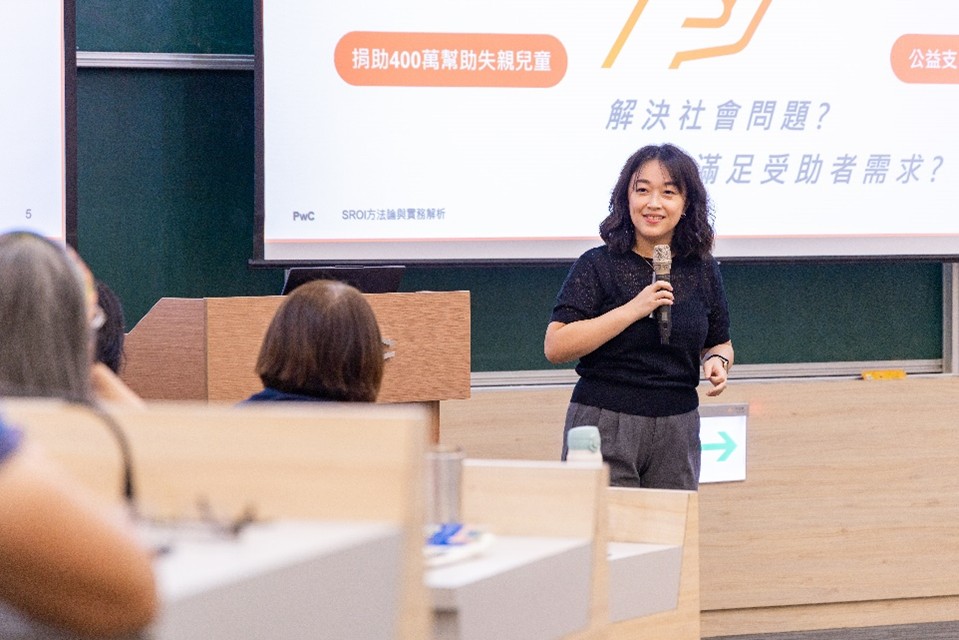

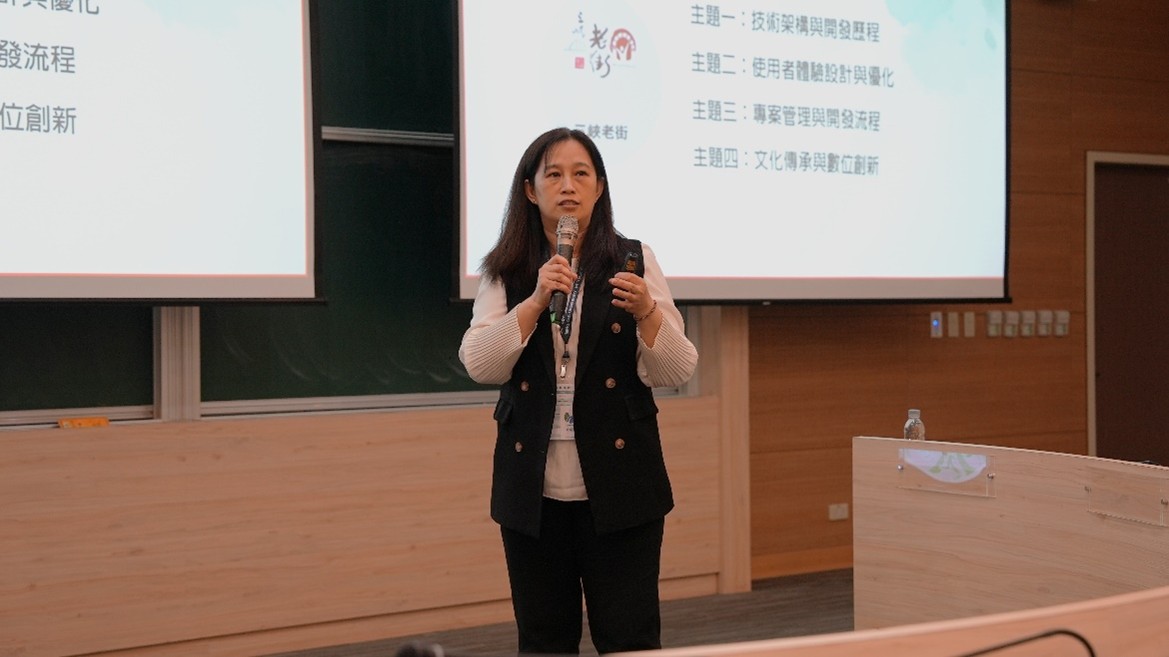
University Social Responsibility (USR) transcends mere problem-solving; it is a profound dialogue rooted in "seeing and understanding people." On October 9, 2025, the USR Sanjiaoyong Project Office of Ming Chi University of Technology (MCUT) convened the "USR Capacity Building Workshop: Field Practice and Social Impact Assessment." The event attracted over 80 participants, including USR teams from NTUST, Taipei Tech, and YunTech, as well as local community partners and industry representatives. By integrating the empathetic approach of Design Thinking with the analytical rigor of Social Return on Investment (SROI), the workshop guided faculty and students to transform from simple project executors into practitioners who truly "see the humanity" and create sustainable value.
Design Thinking: Seeing Humanity Before Seeing the World
The first session, titled "Design Power," was led by Assistant Professor Lin Chin-hsiang of the Digital Marketing Design Program. Professor Lin redefined the starting point of local engagement, emphasizing that students often rush to propose technical solutions while overlooking the most critical element of the field—the "people."
"Before seeing the problem, one must first see the person—this is the essence of 'seeing the humanity' (見眾生)," Lin remarked. He highlighted that true insight into local context comes only through field observation and empathetic interviewing. Following this, Associate Professor Yu Shu-ping of the Department of Industrial Engineering and Management shared how to translate this philosophy into action. Through her "Service Management" course, she led students deep into the Sanxia Old Street commercial district. By understanding the genuine needs of merchants and tourists, the team successfully developed the "Old Street Guide App." This case demonstrated how classroom knowledge can be transformed into practical tools for the community, realizing a model of mutual benefit.
Empowered by PwC: Quantifying Intangible Value through SROI
To ensure that this human-centric care can be concretely measured, the workshop featured a special session by Ms. Tsai Chia-yun, Vice President of PwC Taiwan’s Sustainability Services. She introduced the Social Return on Investment (SROI) methodology, an international standard for impact measurement. Through a rigorous logical framework, Ms. Tsai guided participants in simulating how to translate invested resources and outputs into monetized values for society, the environment, and stakeholders. She emphasized that USR projects often face the challenge of intangible results. SROI serves as a crucial tool to make "outcomes visible and value understandable," helping universities demonstrate the substantial impact of their contributions to the public.
Cross-Disciplinary Learning for Sustainable Practice
By combining soft cultural empathy with hard impact evaluation, the event provided a comprehensive operational vision for the cross-university teams in attendance. MCUT stated that the Sanjiaoyong Project will continue to serve as a hub for regional resource integration. With the core mission of "Communal Good, Cross-Disciplinary Connection, and Sustainable Practice," MCUT aspires to ensure that while solving problems, faculty and students always maintain the warmth of "seeing the humanity" and grow alongside the community.
中文:從解難題到「見眾生」:明志科大x資誠 結合設計思考與SROI深化影響力
This article is simultaneously published in the 42th edition of the SDGs E-paper.
